From Idea to Acquisition: Reflections on our B2B SaaS Journey


In 2019 we started a company called Causal, and in 2024 we sold it. Not a rocketship or a dud, it was a modest success with many learnings and good times, and freshly departed from our acquirer, here are some of our reflections.
We’ve tried to include the kinds of details that we ourselves would have liked to read during our journey.
Enjoy!
Product: Next-gen spreadsheet B2B SaaS
Traction at exit: $Xm revenue, 100s of customers
Funding: $25m from VCs (Accel, Coatue) + angels
Headcount: 32 at peak, 18 at acquisition
Acquirer: Lucanet (PE-backed “office of the CFO” software company)
Getting started
Pre-idea
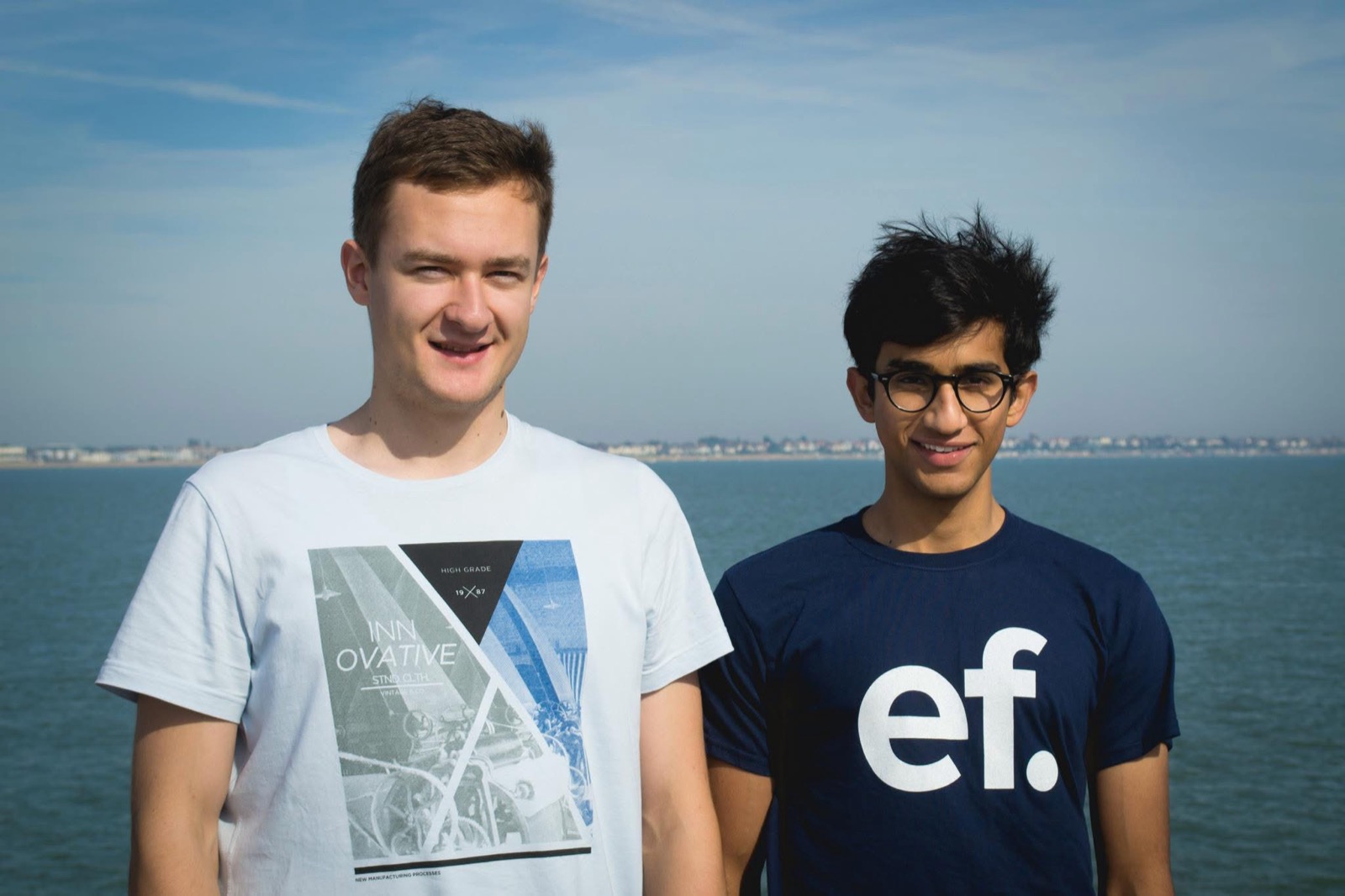
We met at Oxford in 2013, where few people were interested in tech or startups. We worked on many side projects in our time there, mostly falling into the “build it and they will come” trap. We liked the idea of starting a company together but didn’t have any ideas when we graduated in 2017, so we entered the workforce.
Ideation
Taimur came across a specific problem in his day job as a data scientist: financial models in spreadsheets can output a number, but how confident should you be in that number? With our Maths backgrounds, it seemed obvious that people should be thinking in terms of probabilities when making decisions. What if we could bring probability to the masses?
The idea: a number-crunching tool that lets anyone easily work with probabilities.
We started talking about it in August 2018 and began researching existing tools for probabilistic modelling. There were a few of them and they were incredibly obscure — we would build a much more intuitive tool that anyone could pick up and use.
Evenings and weekends
It took us until March 2019 to start working on the idea once the personal timing was right and we had built enough conviction.
Adamant not to repeat the mistakes of our university days, we weren’t going to build the product until we had validated the market for it: the “lean startup”. We built a live demo of a probabilistic model to gauge interest, got to the front page of Hacker News, and got 600 signups to our waiting list. We were off to the races.
With a Calendly link and automated email sequence, we started talking to our signups to learn about their use-cases.
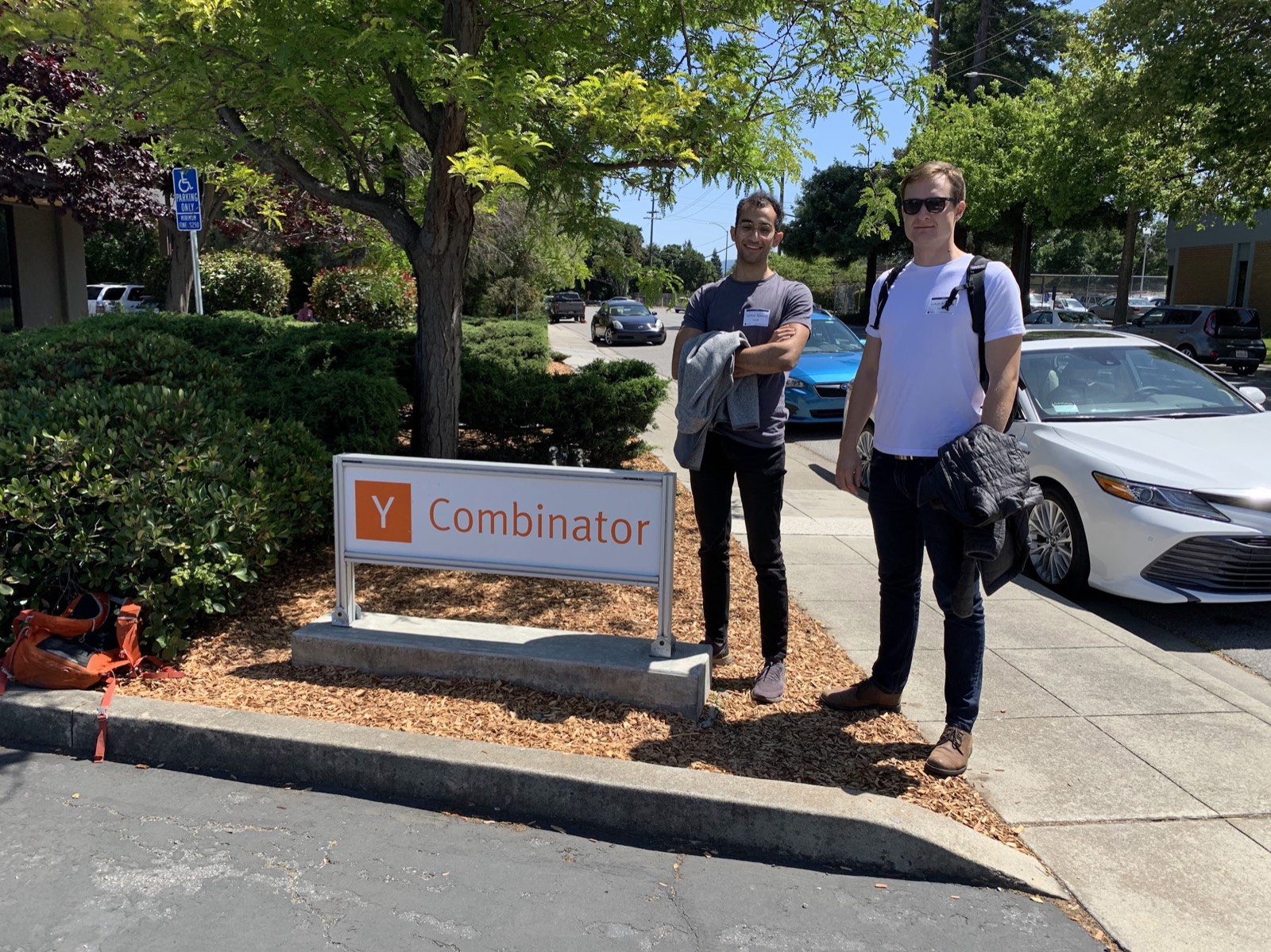
That same week, we applied to Y Combinator. We bombed our interview in Mountain View and were bummed out, so we watched Godzilla: King of the Monsters in the cinema that afternoon. We got the rejection email later that day.
Undeterred, we got back to work. We had validated that people cared about this thing — or had we? — and we quit our jobs to go full-time. Causal, Inc. was incorporated1 on 15 May 2019.

Pre-seed
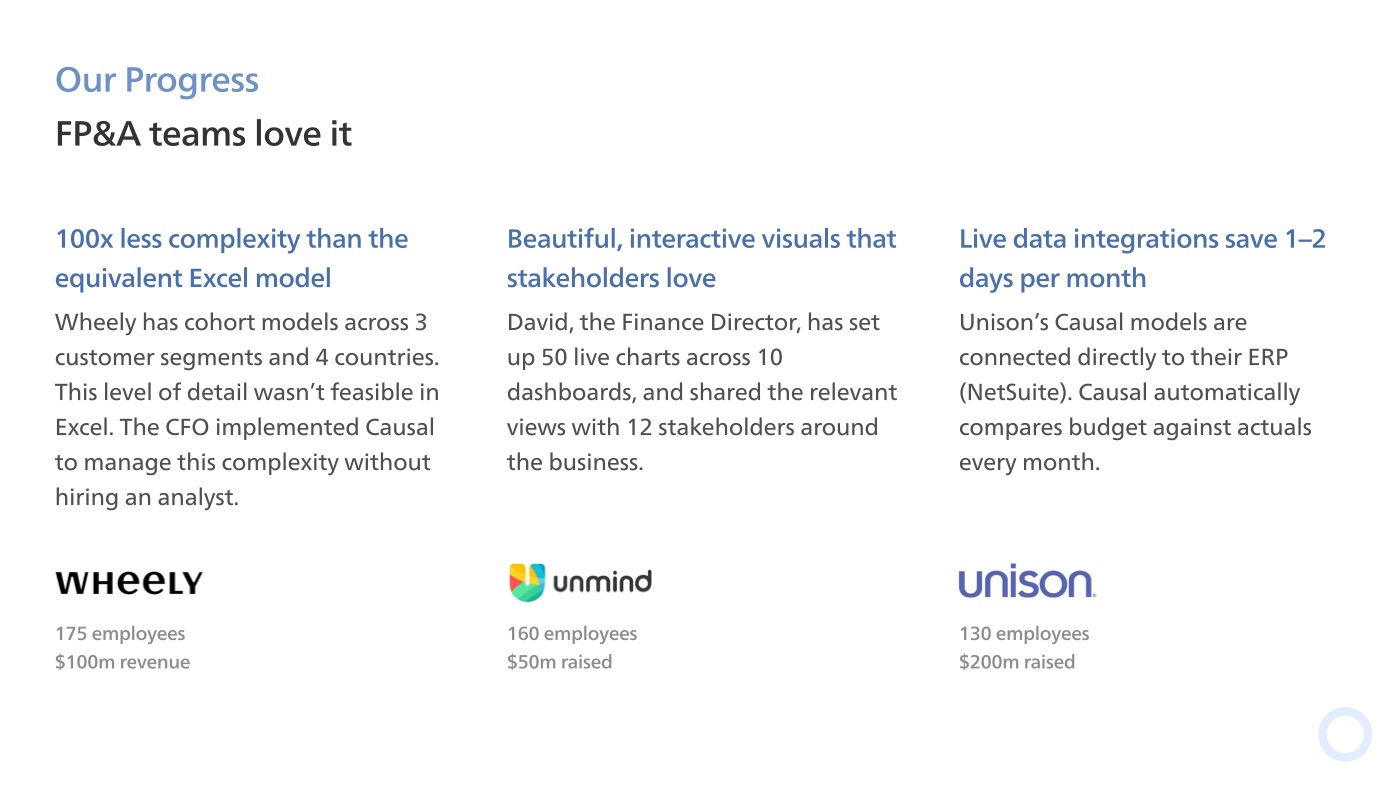
Our plan was to convert our waiting list signups into paid pilot projects to work closely with an initial set of customers as we built the first version of the product. Among the promising leads were Cisco, Atlassian, and JP Morgan.
We decided to raise $300k to build the v1, figure out the initial go-to-market, and get early traction. We were lucky that our signups included big-hearted and well-connected individuals like Varadh Jain and George Spencer who introduced us to the investors who would go on to fund us.
We found big cultural differences across the pond: US angels would commit $10–100k after a 30-minute video call with no questions asked about valuation, while UK angels would deliberate for days or weeks after in-person meetings and balk at the $6-8m valuation cap.2 It was the same on the institutional side: UK VCs were much slower and more valuation-sensitive. The only bad experience we had with US investors was with a fund called Gradient Ventures, who spent a bunch of time with us and verbally committed to doing the whole $300k round, but then stopped replying to emails. It was our first rodeo and we had prematurely gotten our hopes up, so this really sucked.
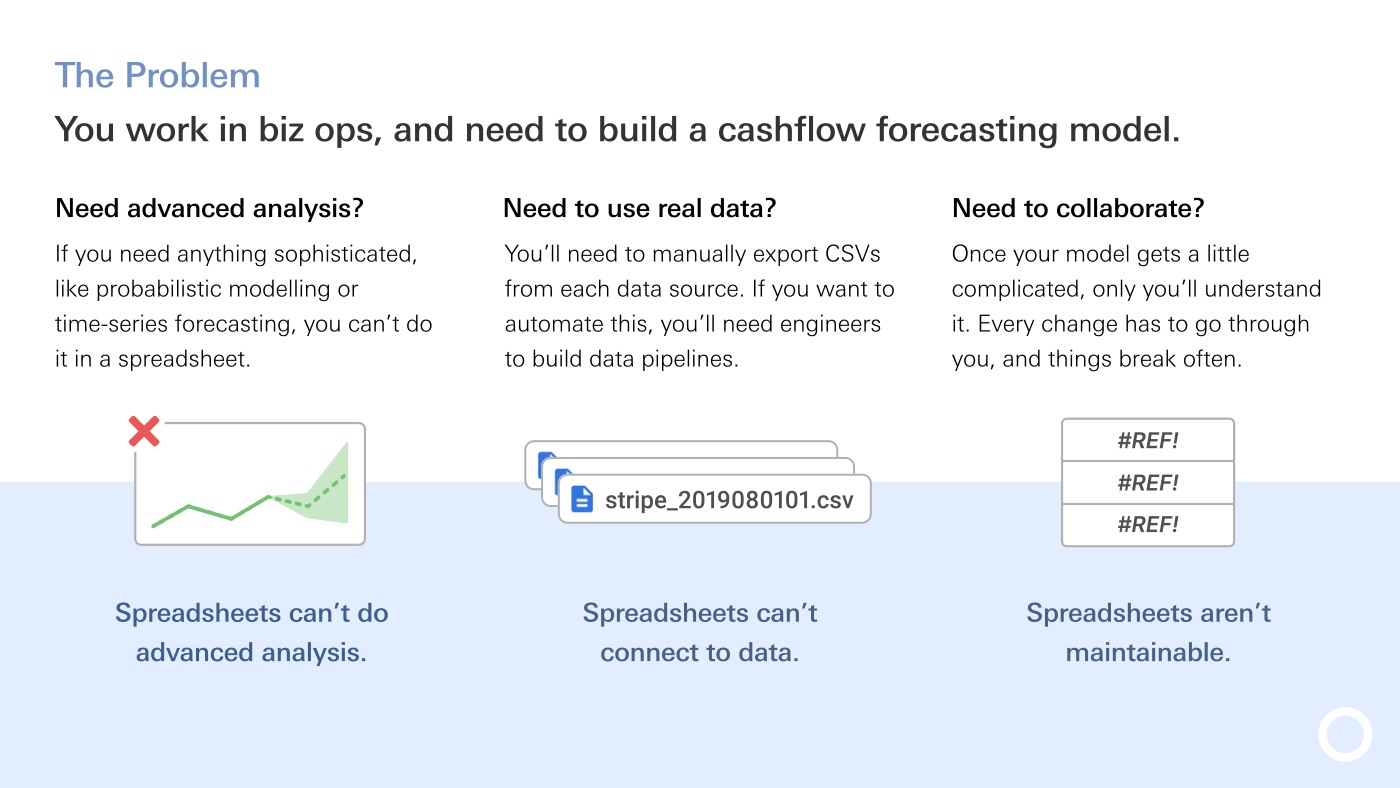
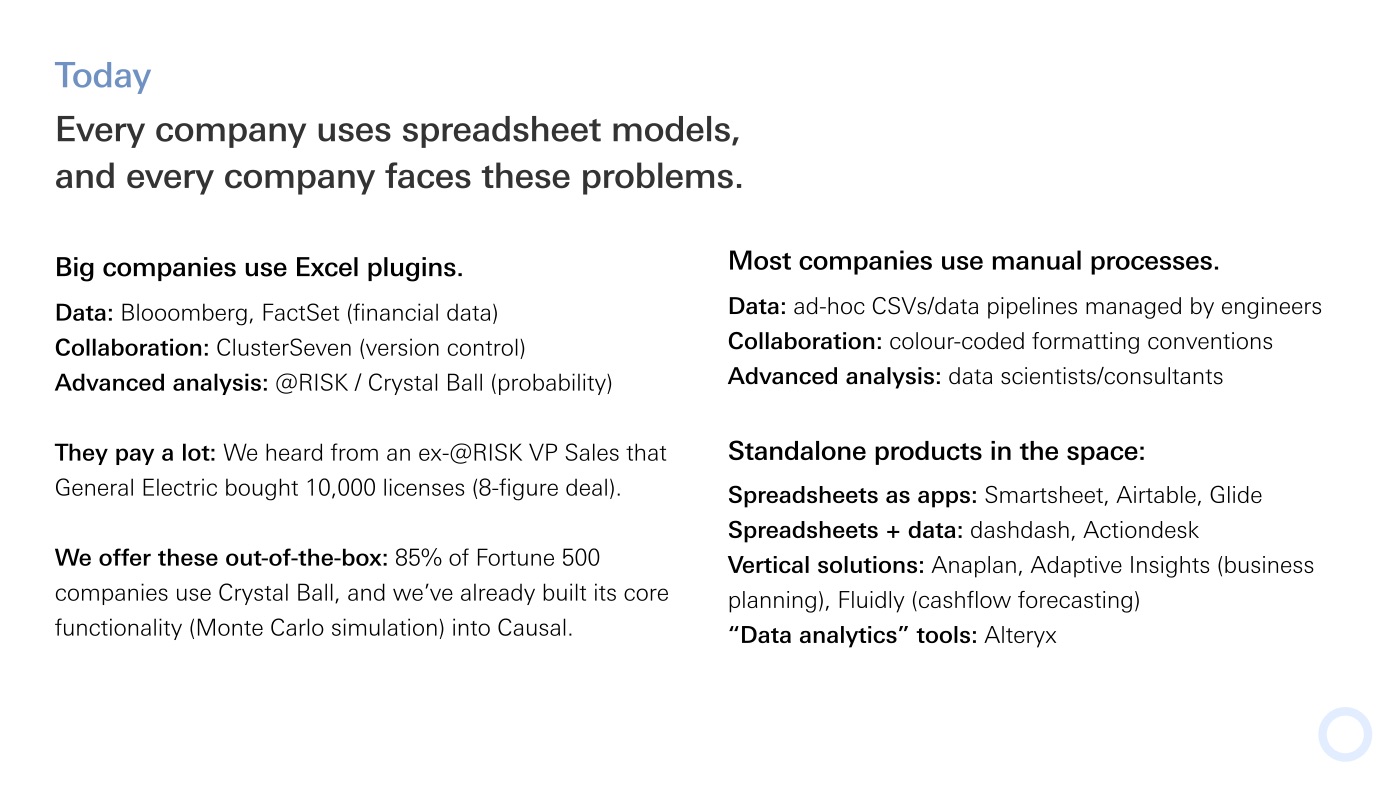
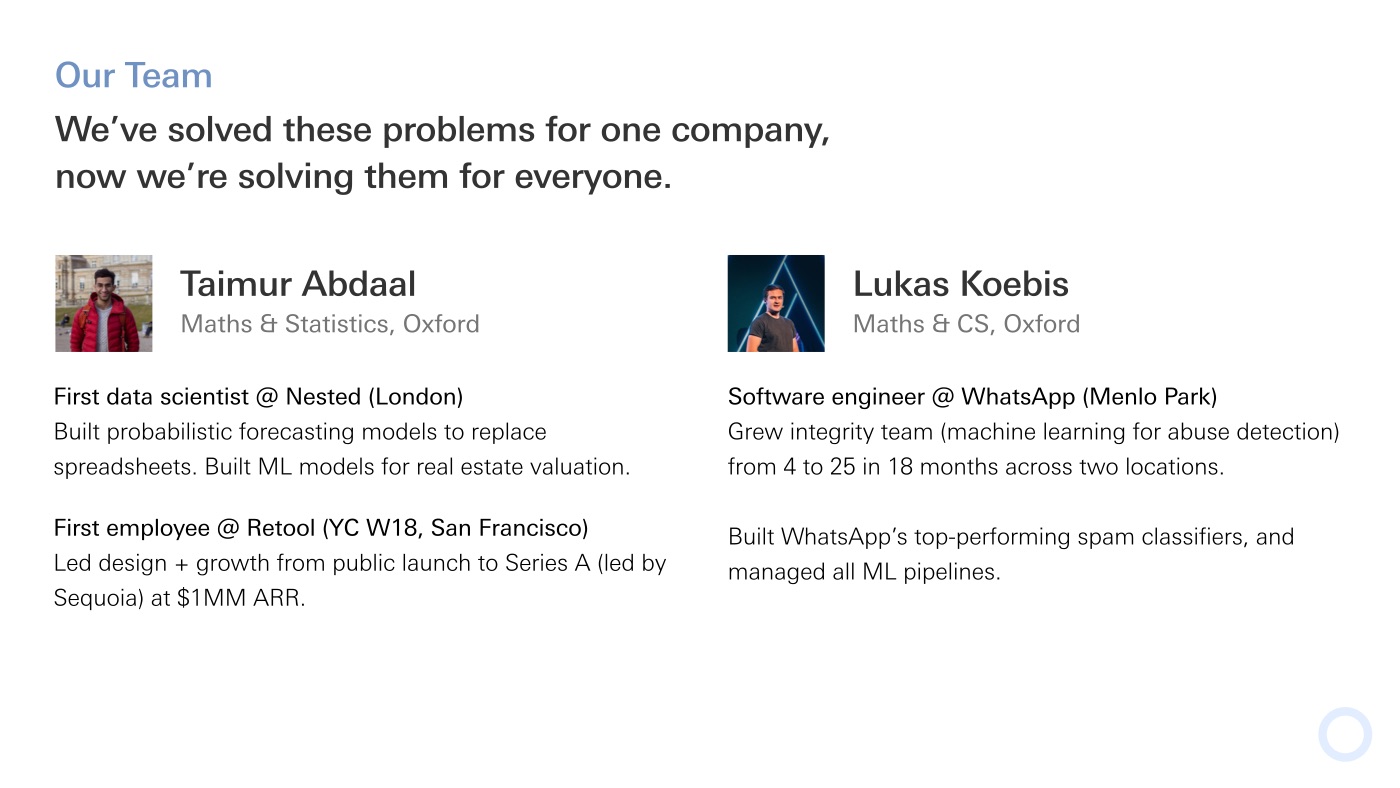
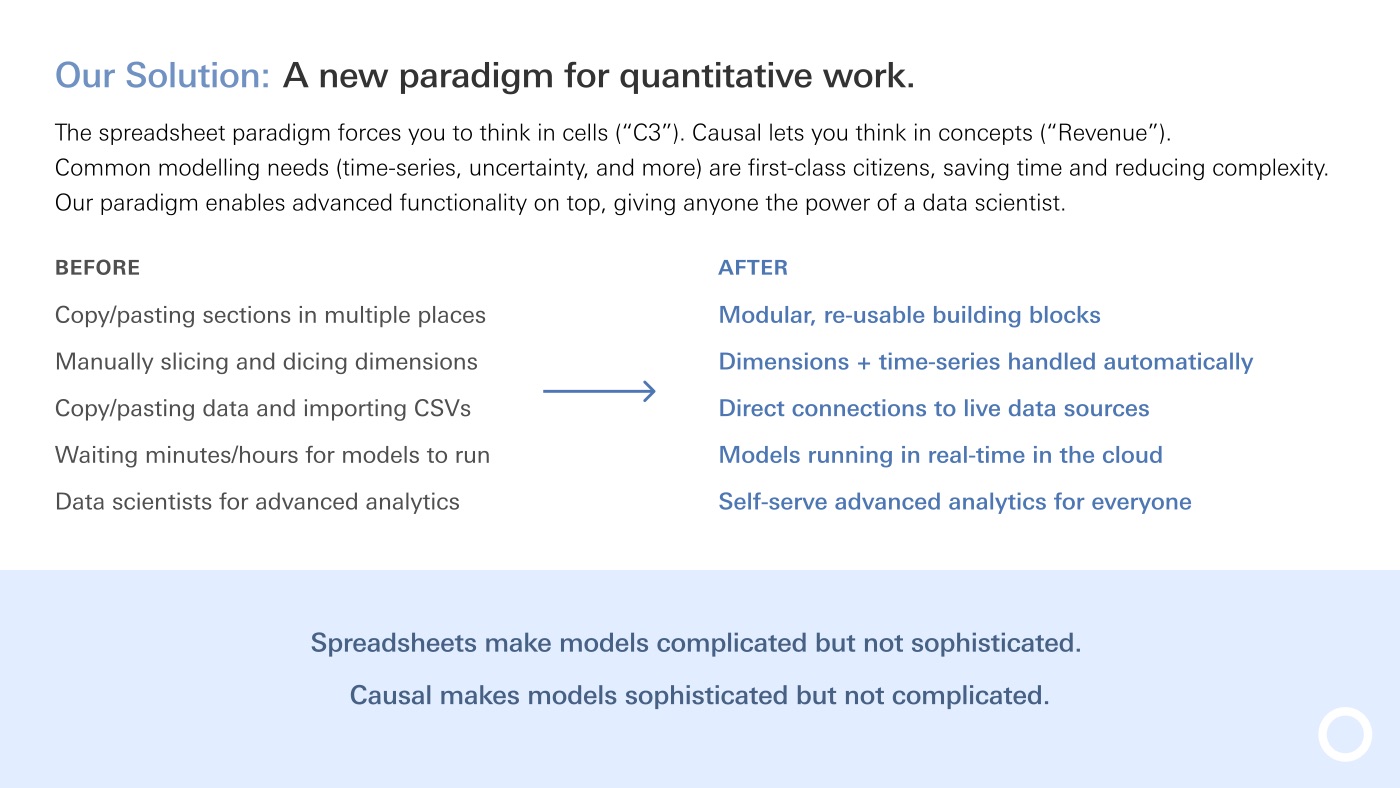
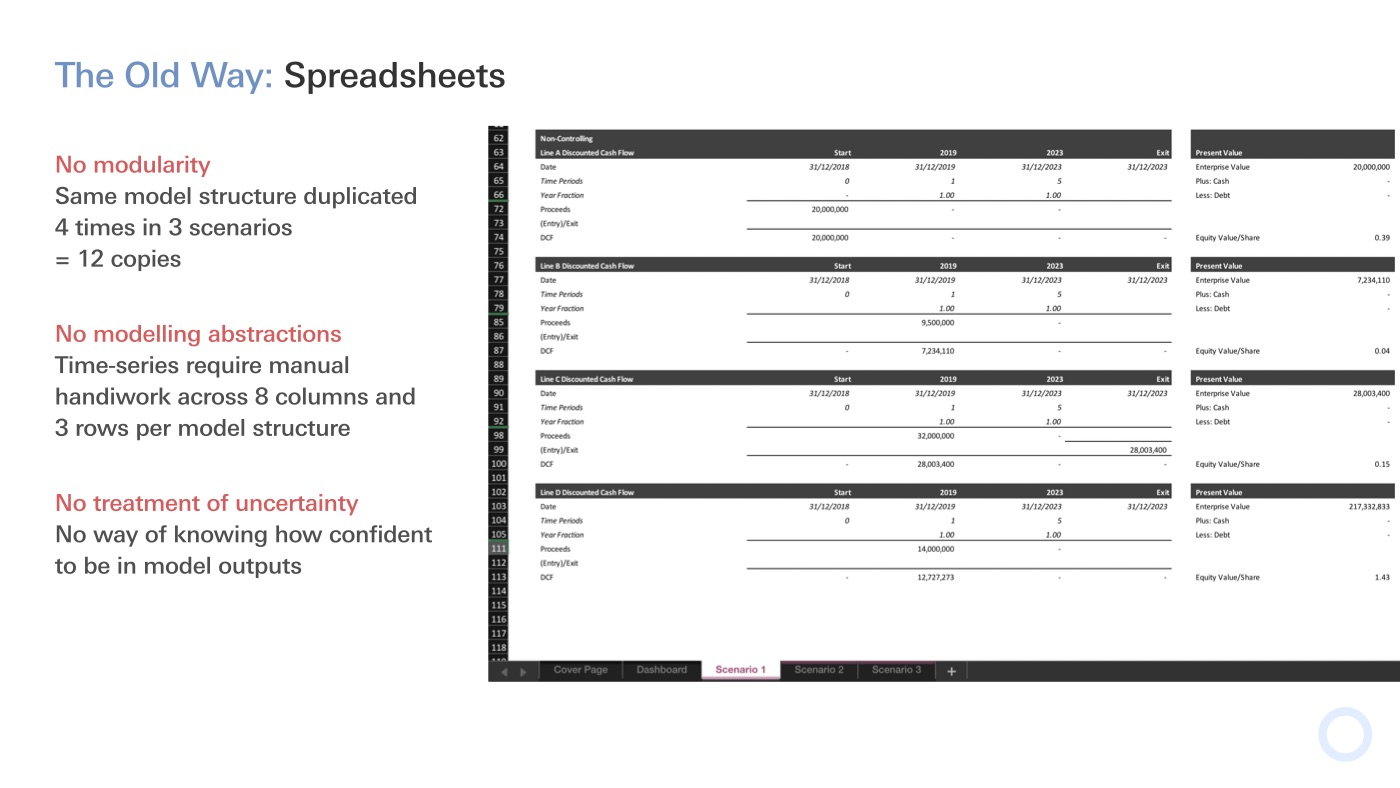
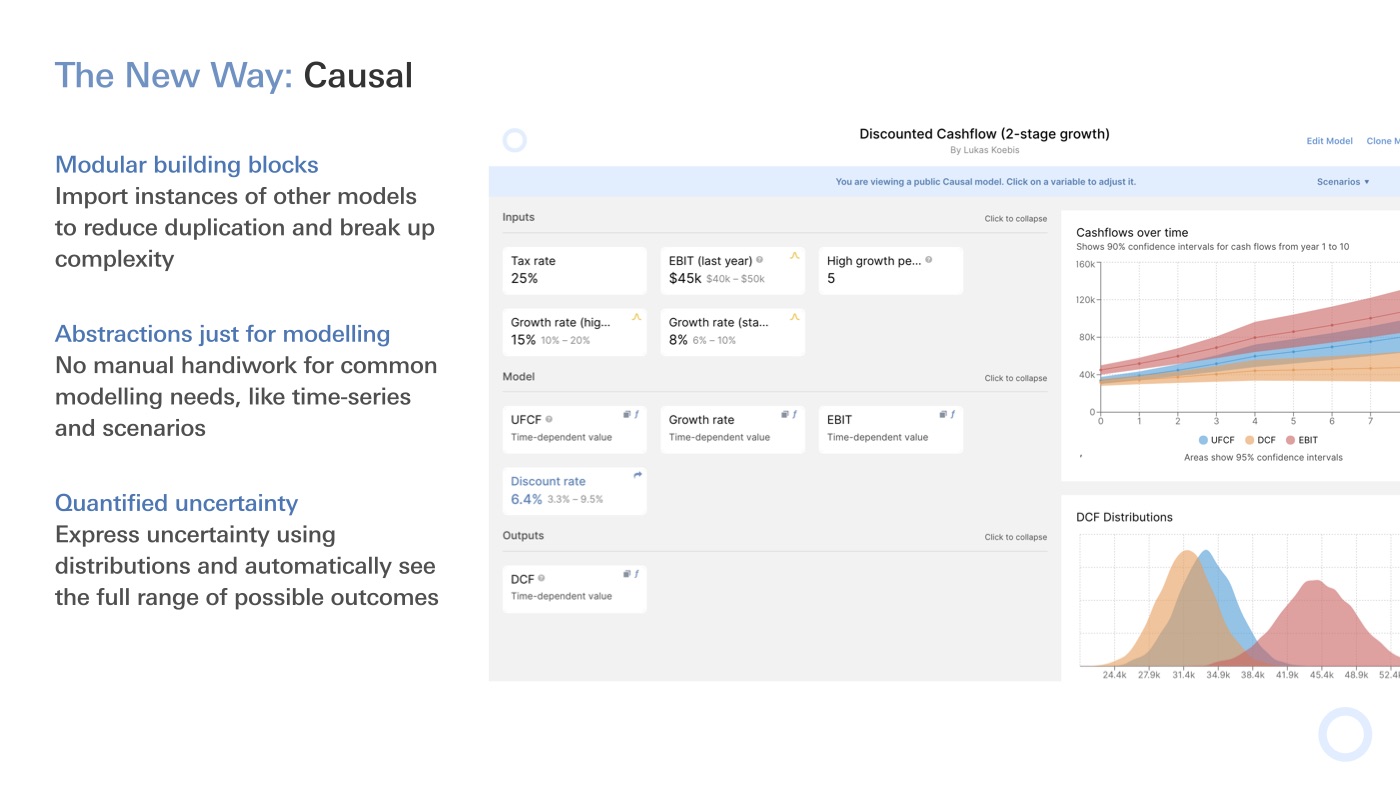
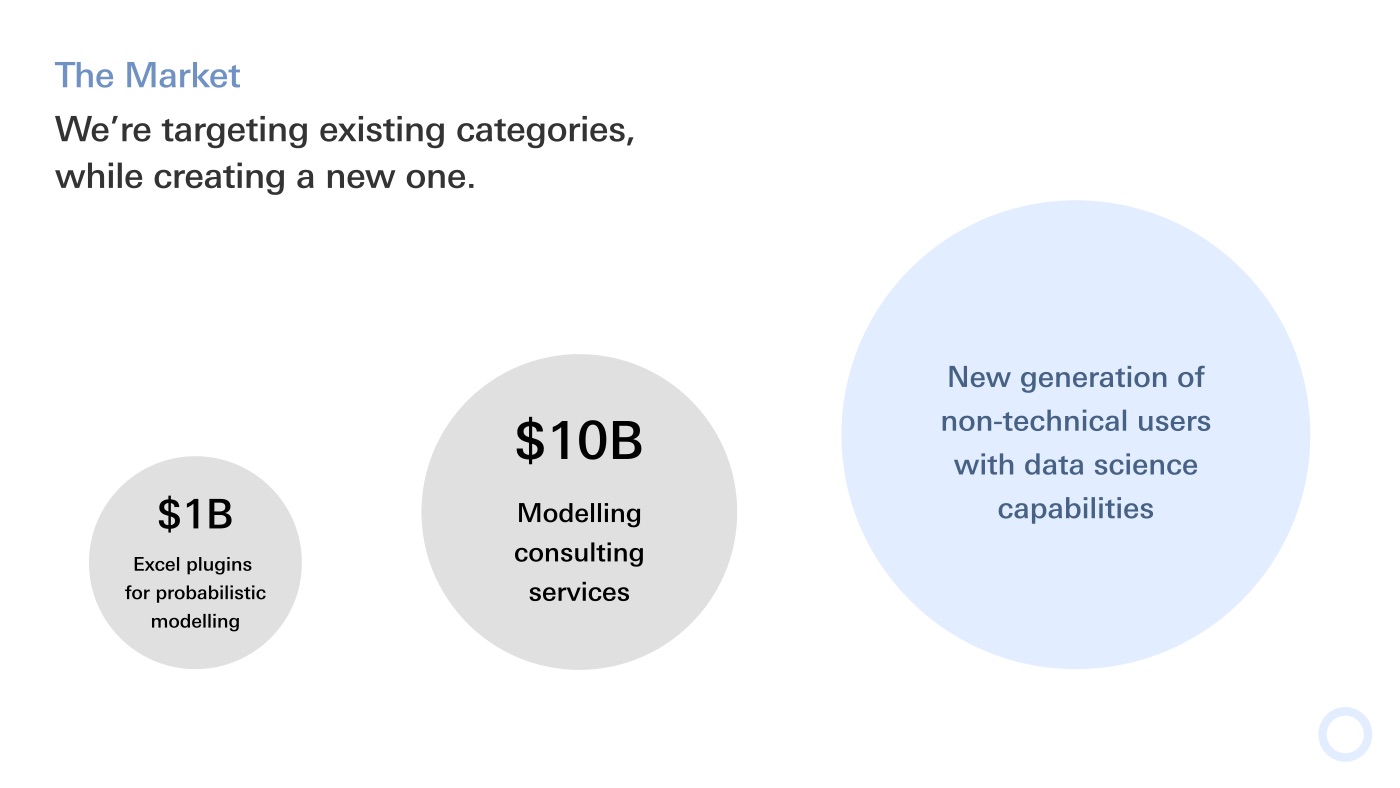
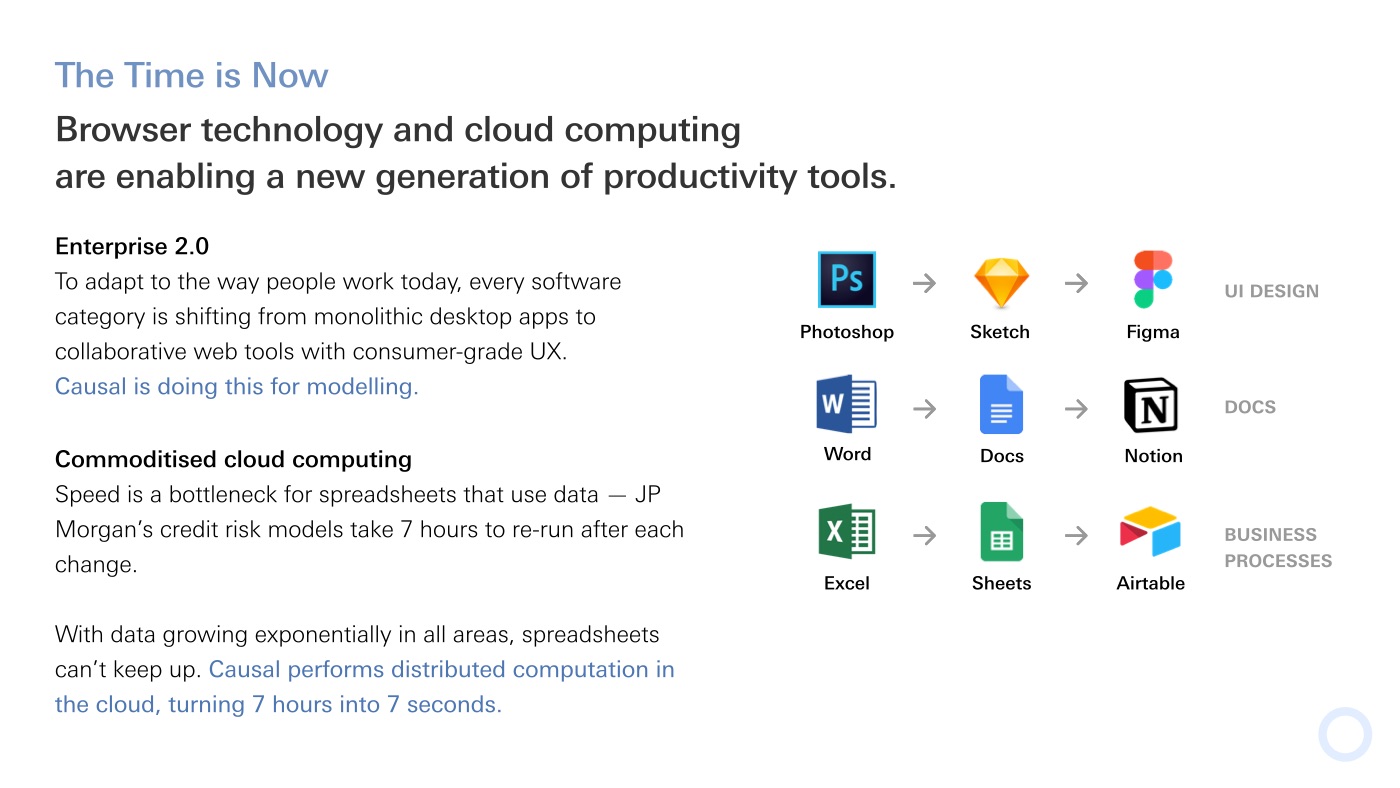
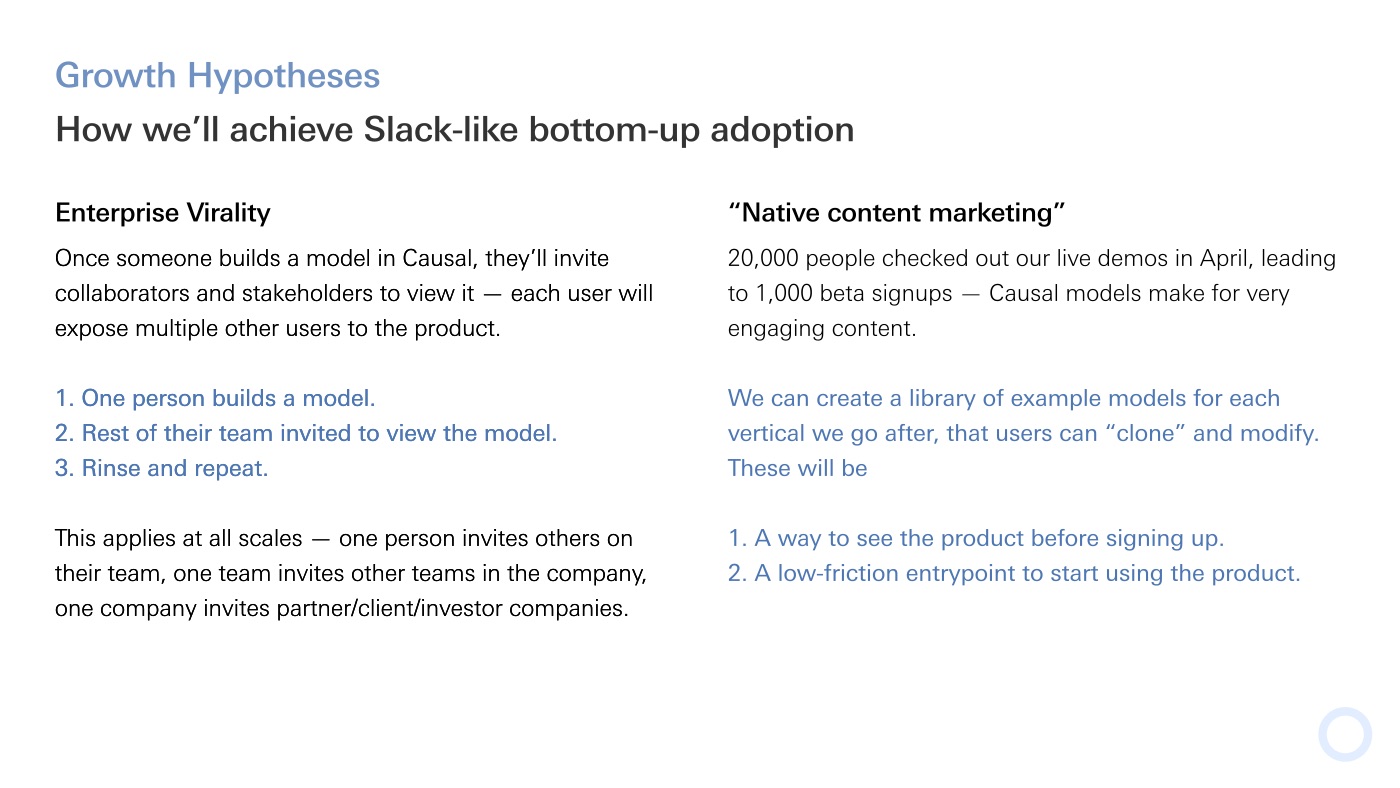
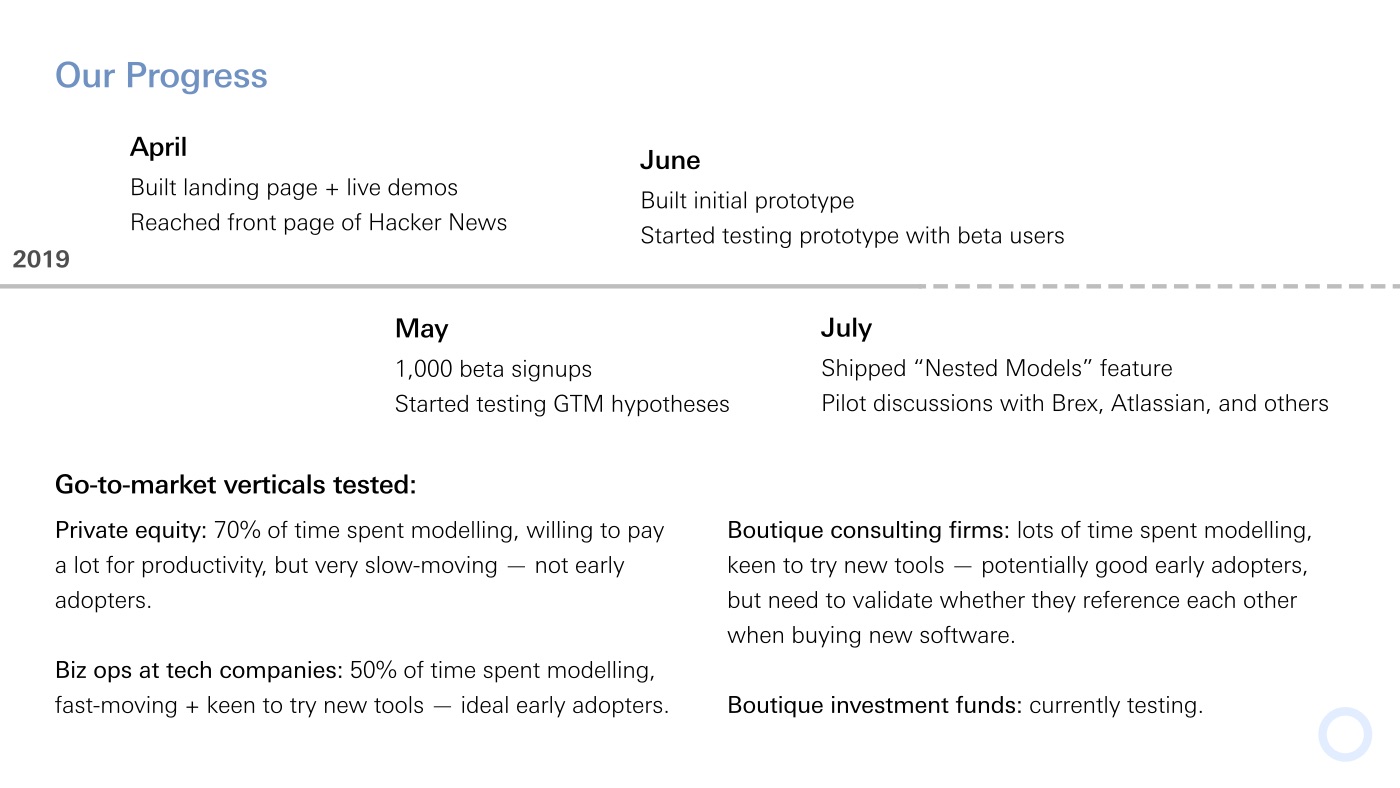
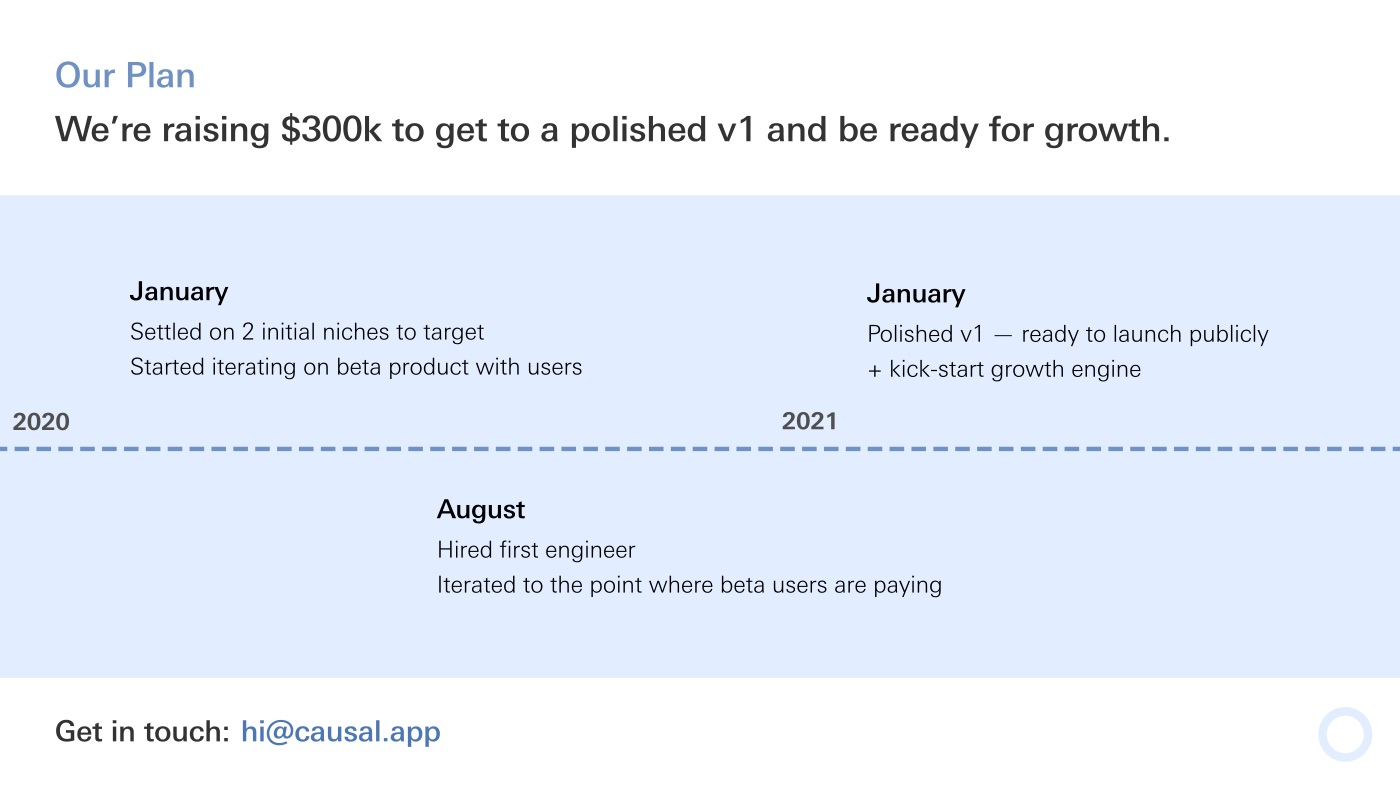
The fundraising game was overall new and strange but we rose to the challenge and raised $1m in 40 days across August and September 2019 — a great outcome.
What helped it go well? The warm introductions and coaching from Varadh together with Taimur’s stint at Retool presented us more as Silicon Valley insiders than two random guys in the UK, the Hacker News launch had already put us on many peoples’ radars as an interesting project to follow, the $300k target (unintentionally) made us quickly “oversubscribed” and drove FOMO, and our pitch tapped into the hot trend of the moment: product-led B2B SaaS in the vein of Notion, Airtable, and Figma.
All the while, we were still trying to secure a paid pilot and soon realised the lean startup approach wasn’t going to work — we weren’t solving a specific problem with clear business case and ROI for our customers, but rather were building a general-purpose tool that would succeed or fail based on the holistic experience of using it.
We took the leap of faith and started building.
In the wilderness
After the fundraise we were on top of the world — with all these investors backing us, we must be onto something big.
We had a group of beta testers who were playing with the product and giving feedback, and our new goal was to get one company using Causal in production for real work. It felt like we were on the cusp of this, but this went on for 6 months.
One of our angel investors was a big power user at this time, building financial models for his portfolio companies, and a prominent financial modelling influencer also took a liking to Causal. They both spent a tonne of time in the product, gave us lots of feedback and encouragement, and built and publicised their own templates. Their usage and feature requests created an exhilarating feedback loop, and it was hugely motivating that they too could see what we saw.
October 2019 investor updateThere’s nothing quite like discovering that someone’s spent a few hours of their own time building a model in Causal — we’ve had a handful of these this month, and it’s the best feeling ever.
That same month we were excited to finally land a paid 6-month pilot project with Cisco:
October 2019 investor updateOur champion is pretty senior and owns budget. We’ve verbally agreed on the terms, now sorting out the paperwork. Pilot will kick off in December, and last until June.
After 9 months of delays due to Cisco’s procurement software overhaul followed by business priority shifts, that pilot would never come to materialise.
From June 2019 to March 2020 we’d do a handful of “white glove” onboarding calls for waitlist members each week but almost none of them ended up actually using the product afterwards. Everyone was positive and enthusiastic — “this is really cool!”, “I can’t wait to use this!” — but we made a mistake in taking their words to heart, despite having read The Mom Test. No one wants to be negative to your face and we should have been able to separate social encouragement from market signal.
After 2 months it was clear that the onboarding calls were not fruitful, but it took us 9 months to take a step back and realise this:
February 2020 investor updateHaving difficulty with sales. Most of the people we talk to are very positive on the initial demo call, but few invest time to properly try the product afterwards. Part of this is down to the product’s onboarding and time-to-value, but part of it is definitely down to our sales process.
We were too blinkered in our diagnosis here — the real issue was that we just weren’t solving a big enough problem, at least for the people we were talking to. We did have a glimpse of this insight, but didn’t yet feel the full force of it:
February 2020 investor updateWe have had people using Causal for one-off projects, and a few who do rely on it for certain parts of their business, but their use-cases aren’t very frequent, so we’re not getting the tight feedback loop we’d like.



False hope
Just as COVID hit in March 2020, a new use-case presented itself: marketing forecasting. Our friend embedded a Causal model on his blog, which put us on a few marketers’ radars. This included a 30-person marketing agency in London, whose founder fell in love with Causal for its Monte Carlo functionality and wanted to roll it out as a core client-facing tool across the agency.
The product fit their needs perfectly and it could plausibly help them win and retain more clients vs just save time — we had found our first killer use-case to focus on. We started outbounding marketing agencies to sell them on the same use-case.
Over the following months, after reaching out to 1000+ agencies and having conversations with 50+ of them, we would find out that they don’t really care about the problem we were solving and that the London agency, who liked us enough to blog about Causal, was just an outlier.
Over that same period we opened self-serve signups to get feedback faster and widen the net to discover new use-cases. The most popular was financial planning for small businesses (“SMBs”, under 100 headcount), and by September 2020 we had 40 customers paying $50/month. The people who “got” the product really loved it:
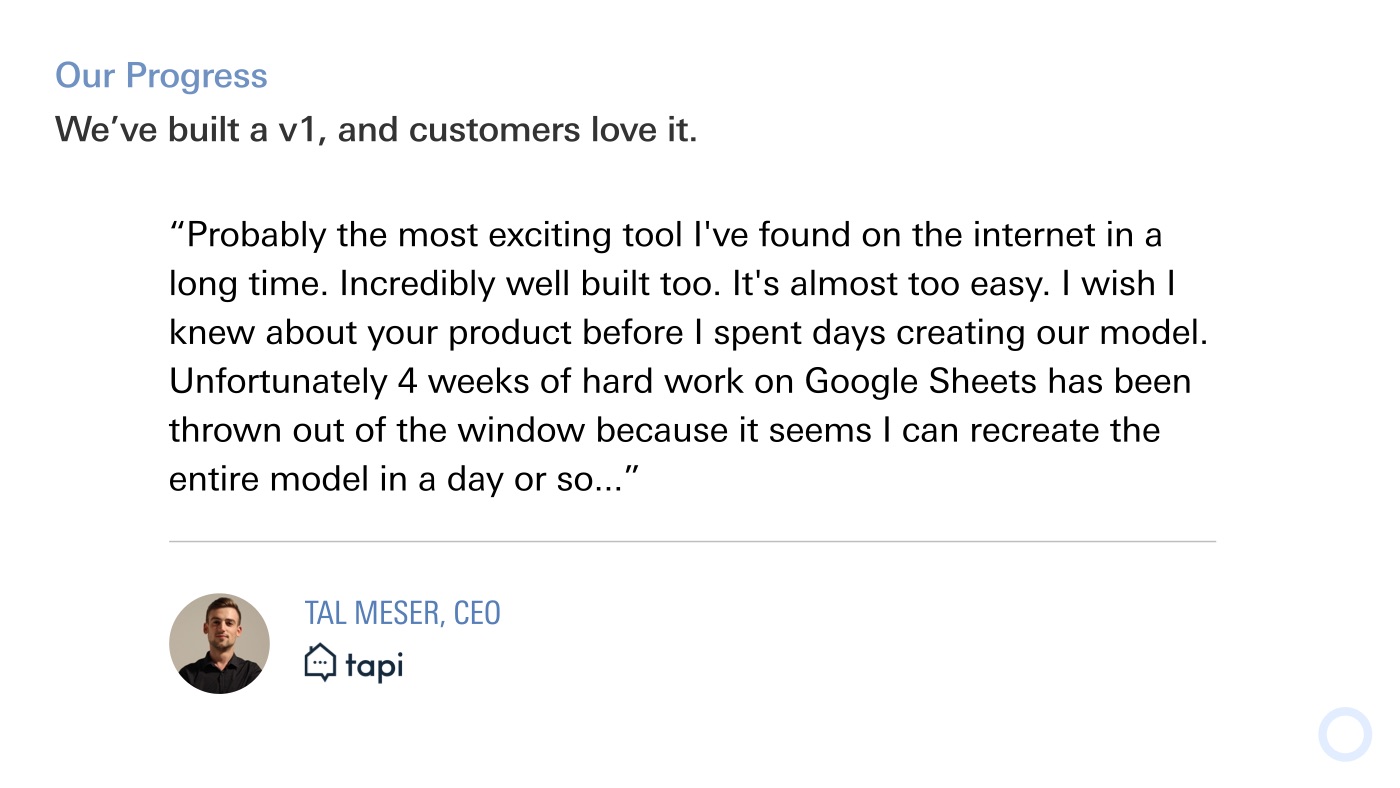
Probably the most exciting tool I’ve found on the internet in a long time. Incredibly well built too. It’s almost too easy. I wish I knew about your product before I spent days creating our model. Unfortunately 4 weeks of hard work on google sheets has been thrown out of the window because it seems I can recreate the entire model in a day or so…
We unfortunately found that SMBs were very high-variance — the pain point often wasn’t big enough, and whether or not they cared about financial modelling mostly came down to the temperament of the founder. It would be difficult to find a repeatable go-to-market motion there.
Despite this dead-end, there were 2 important decisions we made in that period:
First, we stopped positioning Causal as a general-purpose modelling tool and started positioning it as a financial planning tool. This changed the way people perceived the product, and made conversations a lot more productive. Joining an existing category (“FP&A”) gave people a reference frame in which to think about us, and their feedback suddenly became specific and useful.
Second, we stopped focusing on the Monte Carlo feature as a core differentiator — it was difficult to accept, but people saw it as a nice-to-have feature and cared a lot more about the other problems that Causal could solve for them.
In June 2020 we “launched” on Twitter, making a huge splash with this thread. It was really cutting-edge for its time — the GIFs were so good that we got dozens of DMs asking how we made them, and we’re pretty sure this thread was single-handedly responsible for Naval reaching out and wanting to invest. In general, we always paid a lot of attention to our brand and “production value” and it paid off, though was of course no substitute for product-market fit.

1/ Hi Twitter! Please meet Causal, a new number-crunching tool.
We like spreadsheets, but we think there's a better way to perform calculations, visualise data, and communicate with numbers: causal.app
Here's how it works 👇(gif thread incoming)
2/ Like a spreadsheet, you can enter values and write formulas. Unlike a spreadsheet, these formulas are actually human-readable.
3/ Sometimes you won't be sure about a value — should the Growth Rate be 5% or 10%, or something in between?
Causal let's you consider all of these possibilities. Enter a range, like "5% to 10%", and we simulate thousands of scenarios for different Growth Rates, automatically.
4/ Numbers can be hard to understand — visualisation can help.
Like a spreadsheet, you can create nice charts and tables. But because Causal variables are a lot smarter than spreadsheet cells, zero configuration gets you a great output.
5/ Once you've built your model, you probably want to share it.
Causal lets you present it as an interactive dashboard. Viewers can play with your assumptions to understand different scenarios, without any chance of breaking anything.
Here's an example: my.causal.app/models/98
6/ Thanks for your time — those are the basics of Causal! We'll dig into each of them, and Causal's advanced features, a bit later on.
Signups are now open for everyone. Try it out at causal.app, and let us know what you think!
— @taimurabdaal, @lukaskoebis
Hail Mary
October 2020. Before that point we could tell ourselves that it was still early days — it had only been a year! — but now we were coming up to 18 months with no real revenue or direction. It took some tough love from a close founder friend for us to really wake up to this. Something drastic needed to change.
At some point we would have to conclude that we were on the wrong track and needed to pivot to something completely different, but we decided to methodically test one last hypothesis: SMBs are unreliable customers for a financial modelling tool, but perhaps when companies reach ~100 headcount (“mid-market”), their pain points are big enough to consider paying real money ($500+ per month) for a solution.
That month we had meetings with 15 such companies, showed them a product demo, and asked them what we were missing for them to be able to use it for financial planning. There were a few things, but by far the biggest conclusion was that we needed a spreadsheet UI. A 2-dimensional grid of numbers was, admittedly, a very good way to visualise the kind of data that goes into a financial model, but more than that, people just couldn’t imagine our original UI being able to handle their complex models.
We knew what we had to build, so we fled COVID lockdowns and spent November 2020 in the Dominican Republic, sharing a house with 4 friends. It was a very productive month and one of the best experiences of our lives. We filmed a TikTok video there, which would prove to be great for Causal’s top-of-funnel, and through which we’d find our first hire, who would drop out of MIT to join us.
We built the spreadsheet UI in about 6 weeks. Building a performant spreadsheet in the browser is hard, so we evaluated off-the-shelf options and settled on AG Grid, a high performance JavaScript grid. It wasn’t designed for our use-case so we worked closely with the AG Grid team to fix performance issues in the library that affected us.
We booked 36 demos for January 2021 with the goal of converting them into paying customers. This month of demos would determine whether we would continue on this path or do a hard pivot.
NEW CREATOR HOUSE ALERT!
— taimur (@taimurabdaal) November 14, 2020
"Here's what goes on in our adult Twitter house called The Hustle House"
Traction: $0 to $1m
Pilot projects
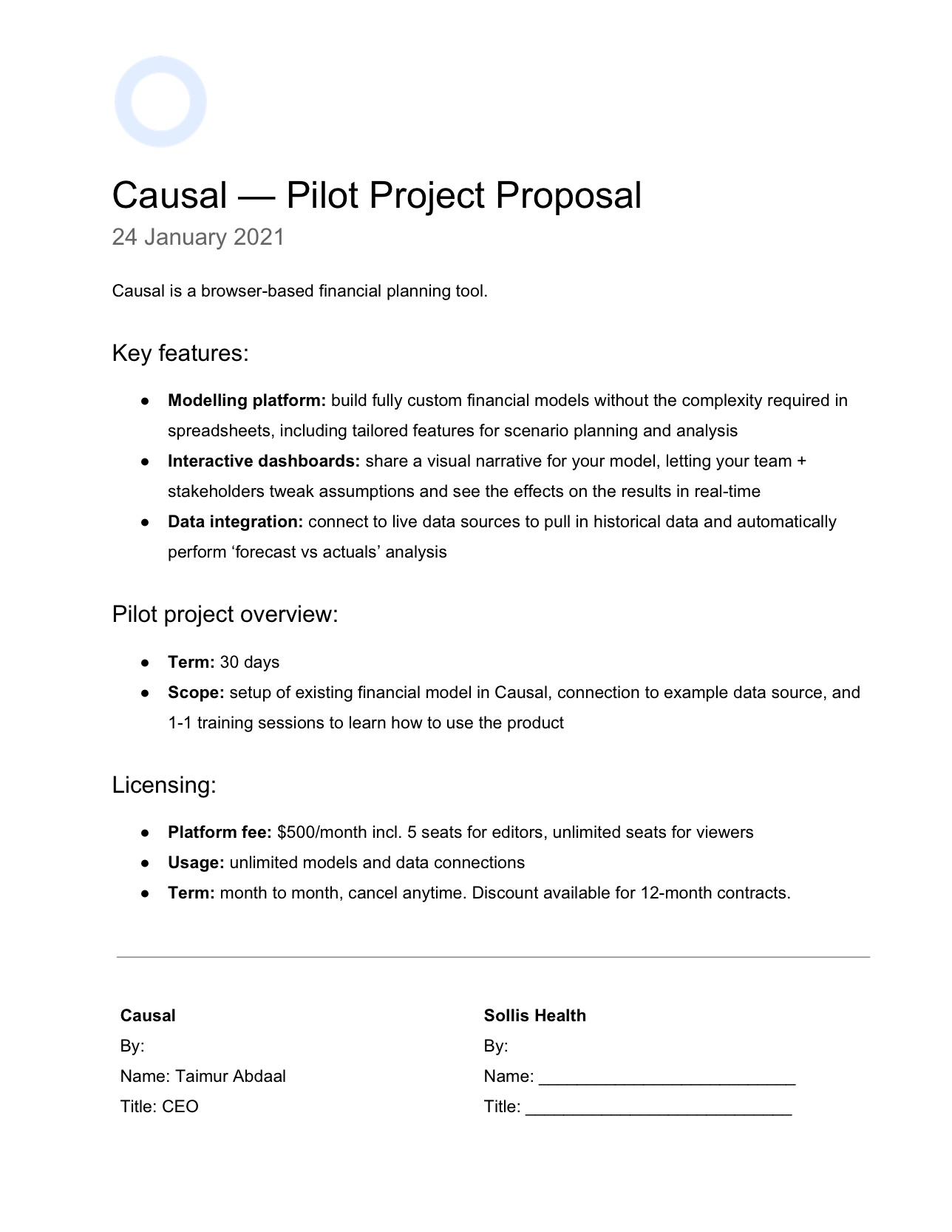
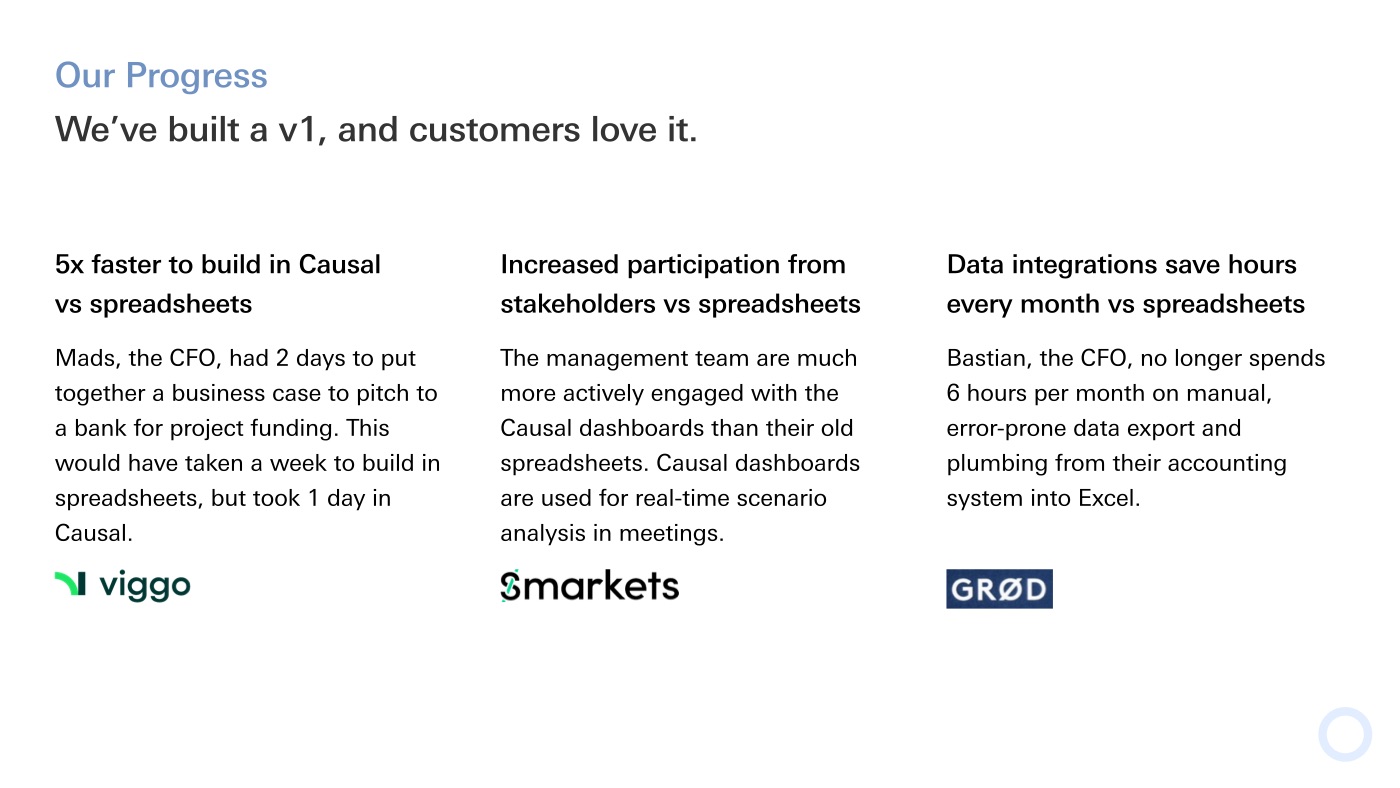
The 36 demos in January 2021 converted into 8 pilot projects, beating our goal by 3, and that same month we managed to get our first paying customer in that segment: Smarkets.
The conversations felt very different than before:
January 2021 investor updateThe spreadsheet view has completely changed how people perceive the product — the familiar UI makes the product 'click' more quickly, and engenders implicit trust in users which was absent with our old UI
The product’s surface area now covers everything that most companies need in a financial model — during demos, the answer to "Can Causal do X?" is confidently "Yes"
We have strong conviction that this is the right market to target, and we know what we need to build over the next 12 months. This feels really good :)
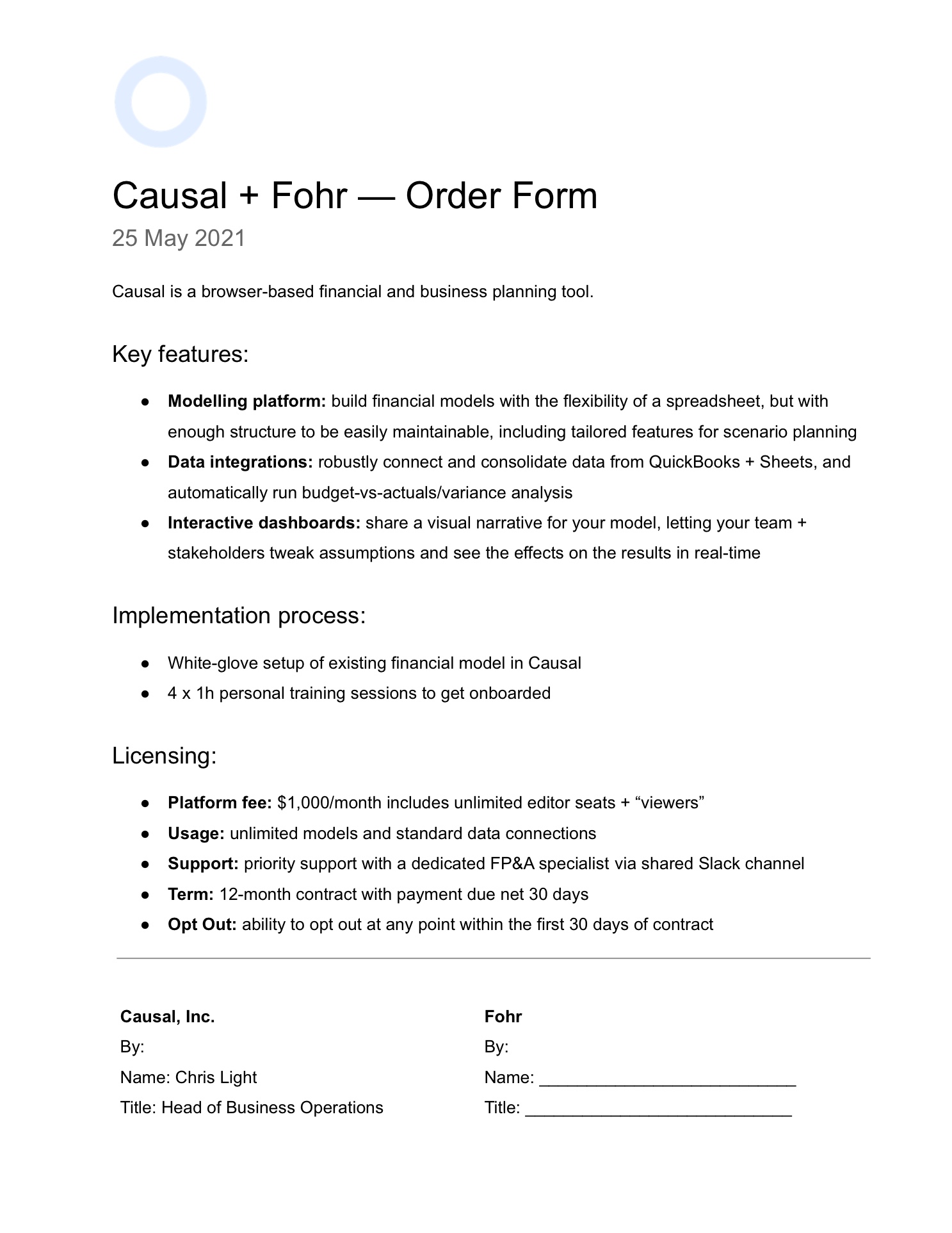
We did a good job running a tight sales process to close the pilots, and then doing whatever it took to make the projects successful. We’d get customers to sign a simple 1-pager to move forwards — this gave us a clear next step to drive towards, and pushed customers to make an explicit decision rather than stalling.
For the first few, we took payment only after the project was successfully completed. We soon started charging upfront, and in April 2021 we had enough “social proof” to remove the pilot stage altogether.
Seed round
We received consistent VC inbound from the time of our pre-seed round, increasing after our Twitter launch. We had only just made our first hire, so had hardly spent any of our pre-seed funds, but in January 2021 we were “pre-empted” for a seed round.
The process took 3 weeks and was triggered by very strong interest from one fund. We spoke to 15 funds in total, having multiple meetings with 6 of them, and signed a term sheet with Accel in February 2021. This time our “VC whisperer” was Chris Yin, one of our angels, who helped us strategise the raise and gave us the kind of blunt feedback that few people give.
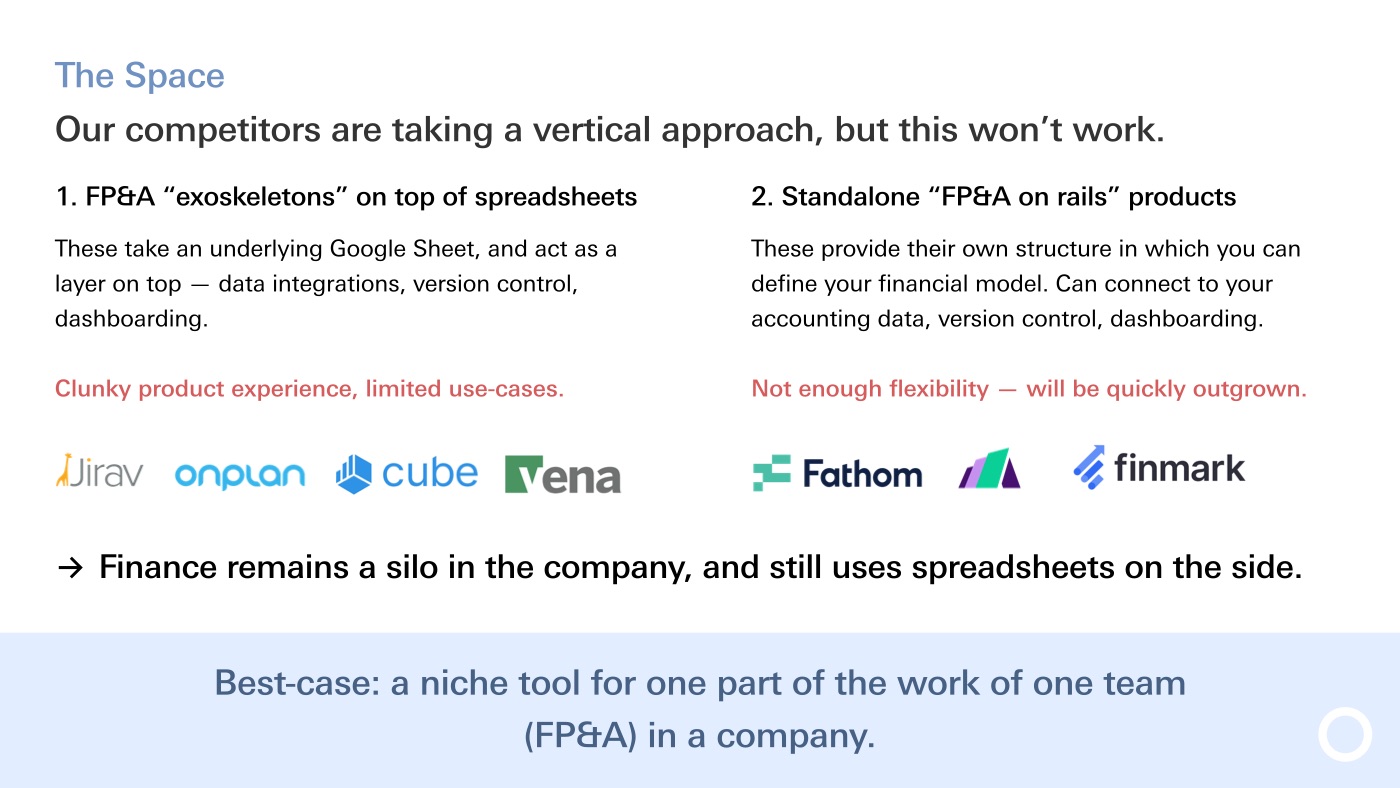
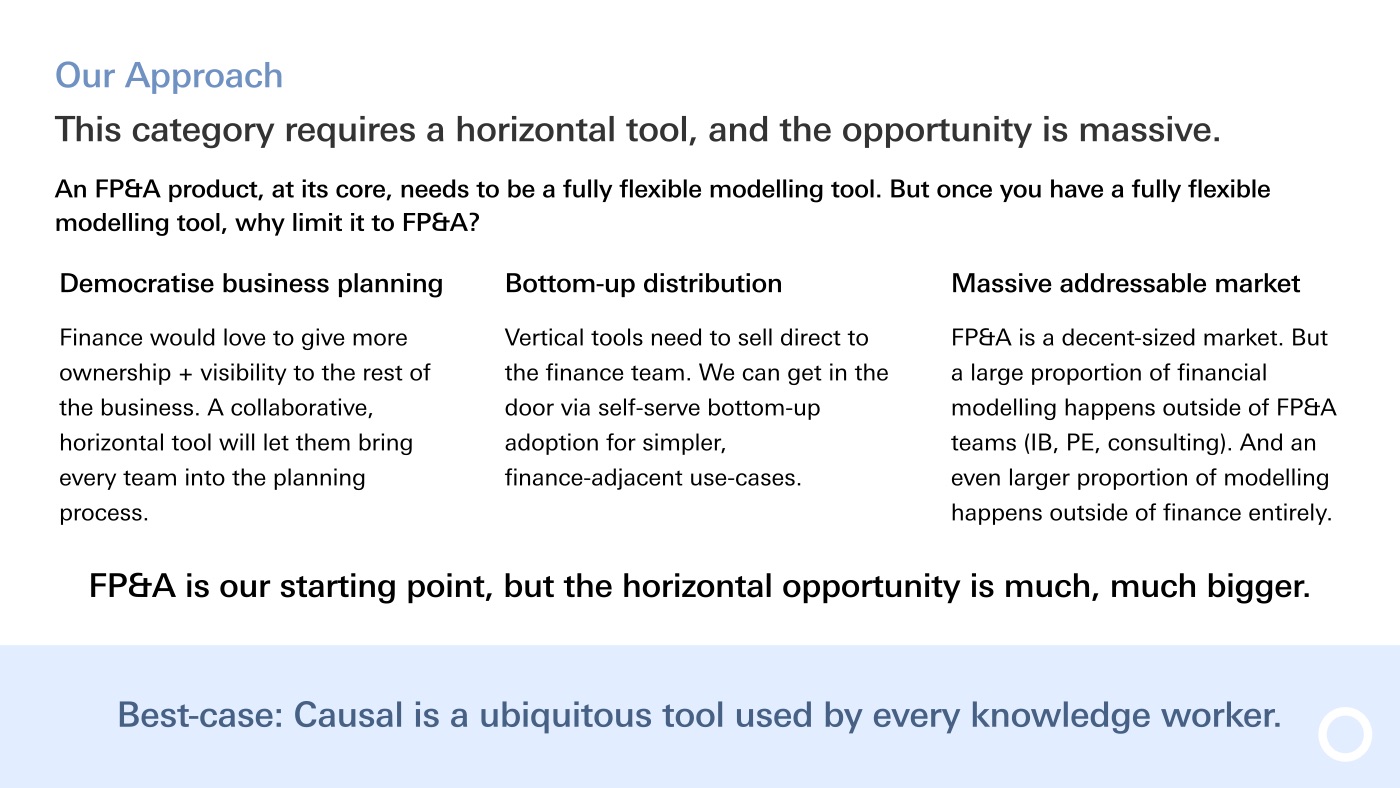
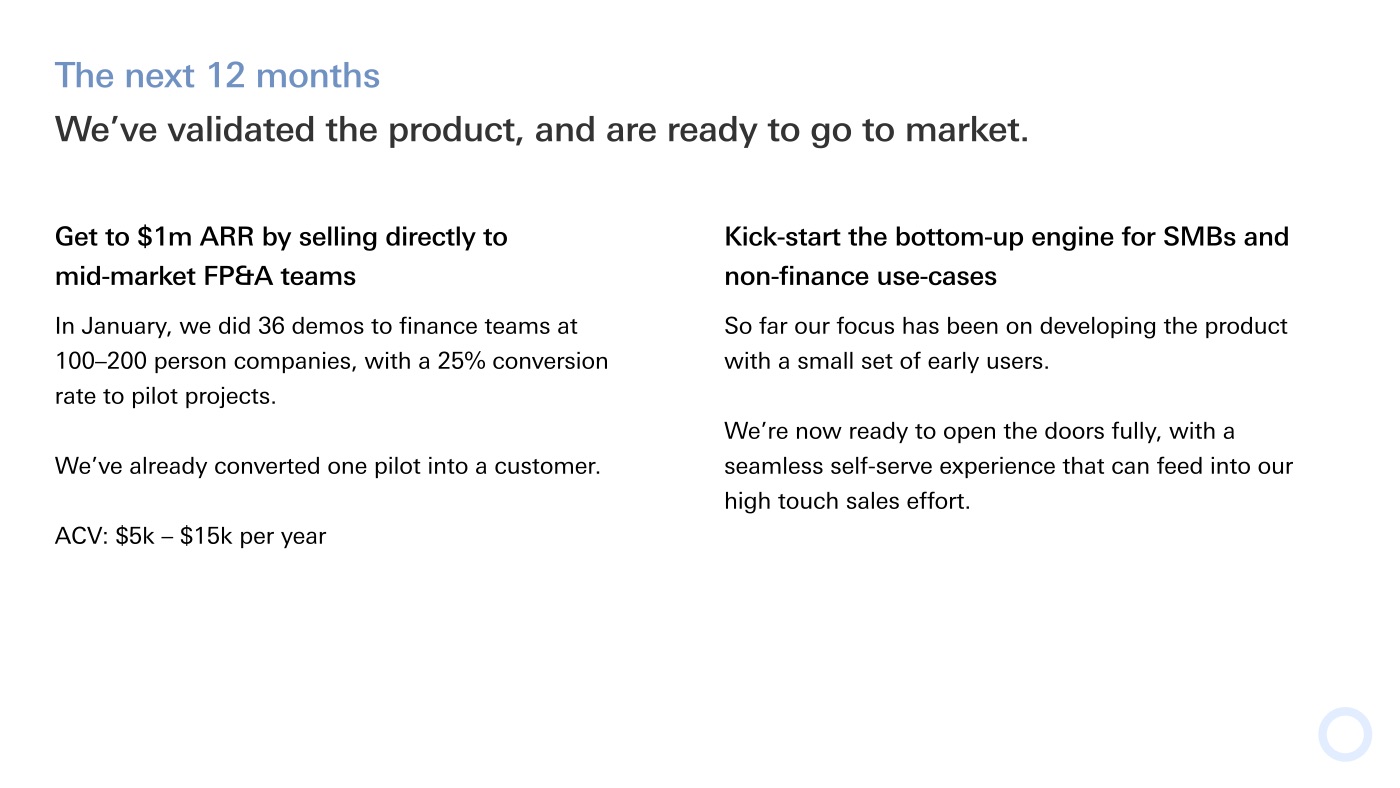
We raised $4.2m at a post-money valuation of $25m. Because we had a US topco with a UK subsidiary, the round’s legal fees came out to $75k.
With the help of an investor pulling some strings, we announced the round in TechCrunch in April 2021, when the publication was on its decline but still had some prominence. The announcement post got huge traction on LinkedIn and was still driving inbound leads 6 months after the fact.
 Taimur Abdaal
Co-founder & CEO, Causal
Apr 2021 ·
Very pleased to announce our seed round led by Accel!
So cool to see companies switch from Excel to Causal for financial modelling and beyond. Try it out :)
Big thanks to everyone who’s supported us so far — Coatue Management, Passion Capital, Verissimo Ventures, Naval Ravikant, Sahil Lavingia, Scott Belsky, and many more 🙏
 1,554
102 comments
Getting off the ground
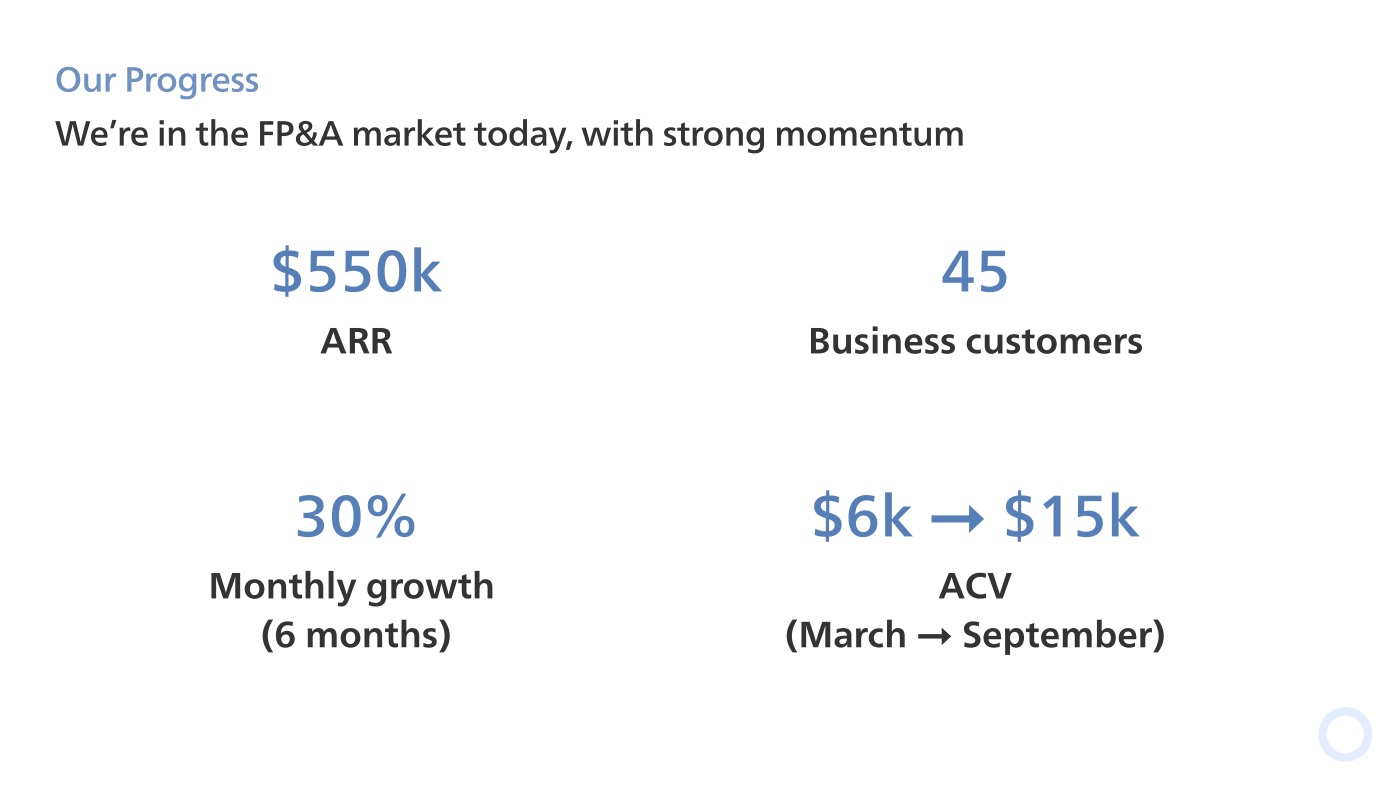
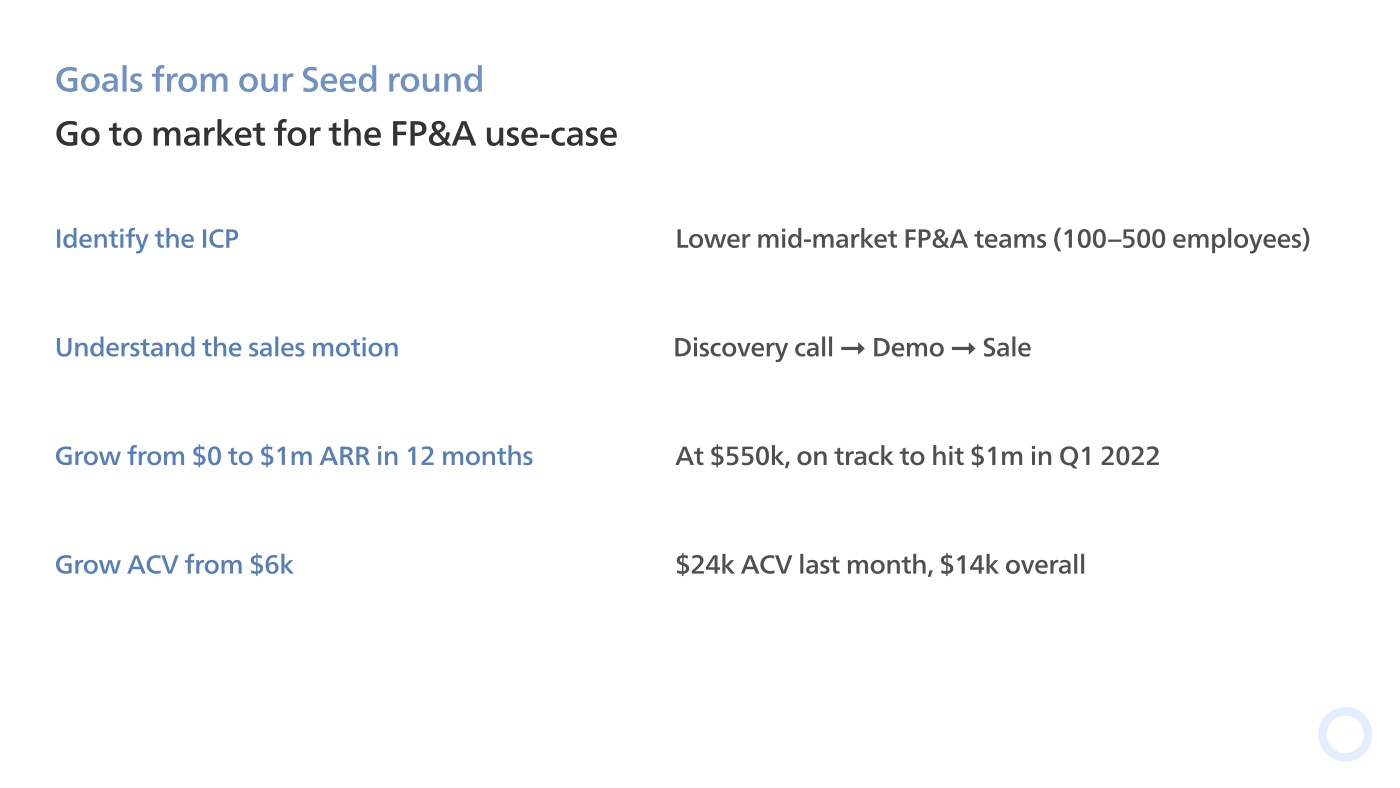
We’d heard that YC companies typically target 20% month-on-month growth, so we figured that if we aimed for 30% per month then we’d be doing okay even if things didn’t go to plan. This miraculously worked — we grew 30% per month since the seed round, often managing to scrape a deal over the line on the last day of a month to reach the goal, and hit $500k ARR in August 2021.
This was our sales process:
- Discovery call with 5-min product overview demo (30 mins)
- Personalised demo: they send us their Excel model and we build it beforehand + on the call (1 hour)
- Follow-ups: varied depending on what else the prospect needed to figure out
- Negotiation
- Close
Our sales approach was “hand to mouth” — we were only thinking about where the next deal was coming from. If a prospect needed a feature, we’d build the minimum viable version of it and demo it to them a few days later to close the deal.
The mid-market FP&A focus was still so new for us that we didn’t yet have the conviction to invest weeks or months building really good versions of most features — it felt too risky since we didn’t know how important those features would end up being to the wider customer base.
The one place we did invest properly was the calculation engine. These bigger companies were building much bigger models than our previous users, and Causal couldn’t keep up. We needed to scale the engine from calculating 100k cells in 10 seconds to 1M cells in 2 seconds. In early 2021 we did the first of several calculation engine rewrites, each driven by customers whose models outgrew the previous version.
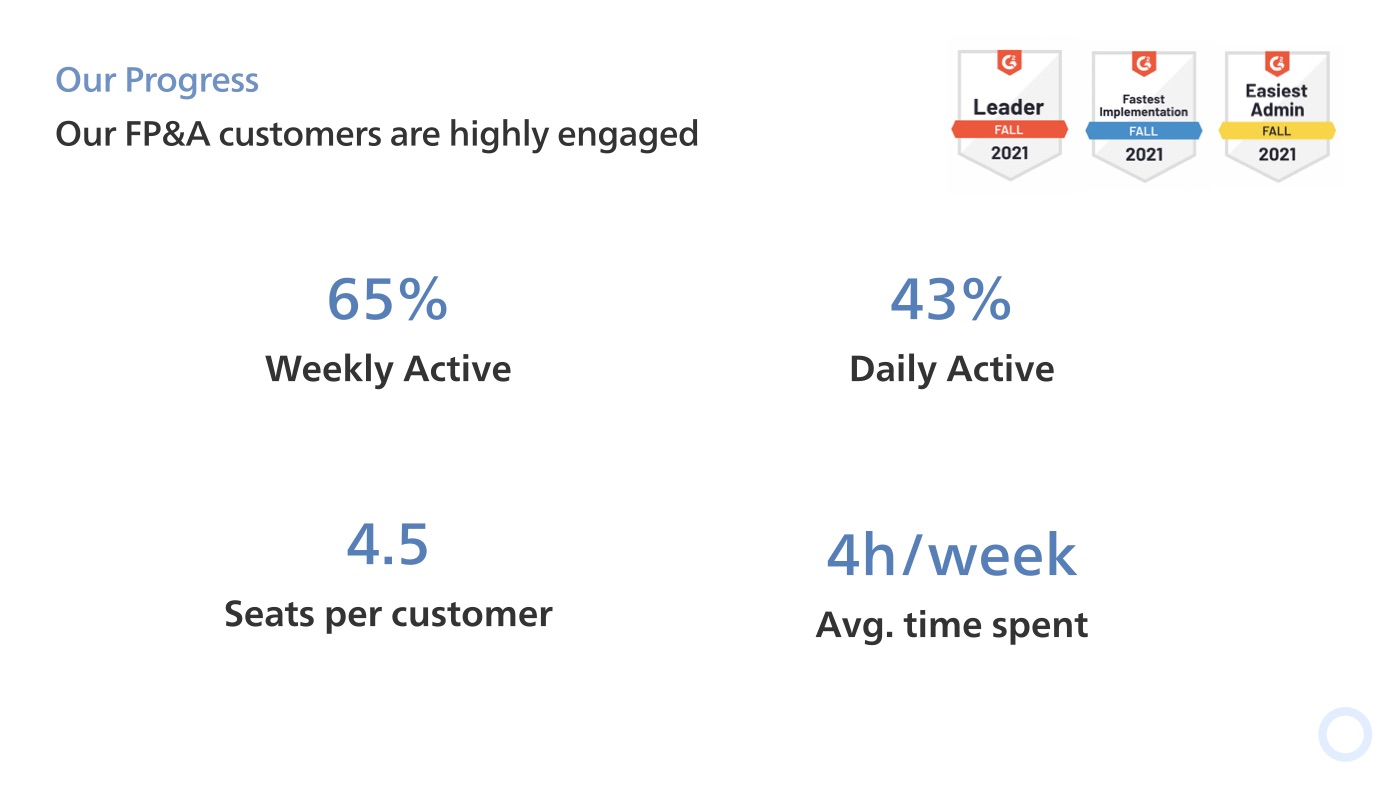
We did white-glove implementations for customers, spending 10–30 hours over a period of 2–8 weeks to teach them how to use Causal and build their models and dashboards together.
We did a good job of price discovery, starting at $6k/year in January and increasing our biggest deals to $12k → $18k → $24k → $36k across the next 9 months. We did this mostly by quoting successively higher prices for each new customer and adjusting based on how much we thought they would be willing to pay. By the end of the year we had settled on a roughly consistent pricing model, but still at our discretion if we thought a customer would be willing to pay significantly higher. Our ACV was ~$18k, ranging from $12k–$40k.
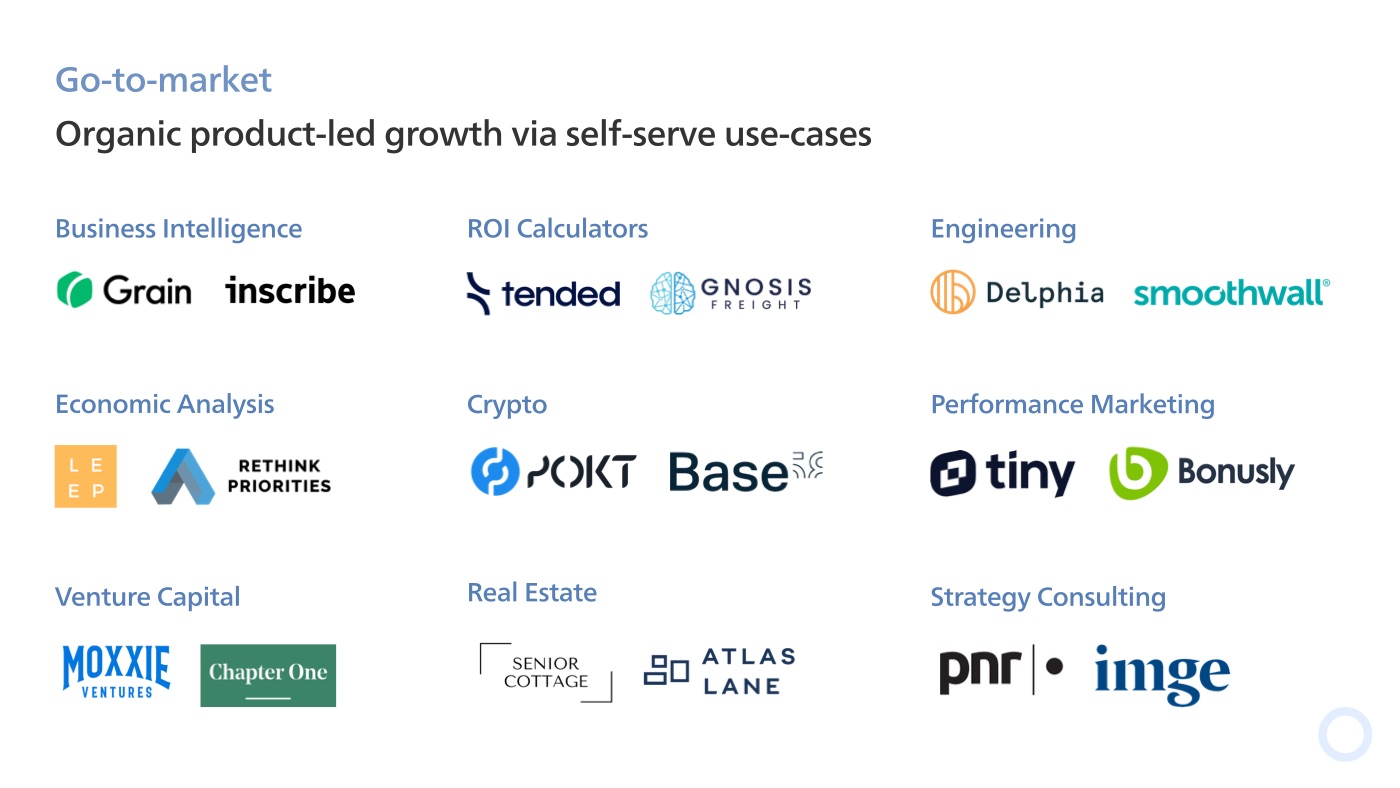
Almost all our customers came inbound from Twitter, LinkedIn, Hacker News, or direct word-of-mouth. Even though we were doing top-down sales, having a self-serve flow helped spread awareness — people outside our ICP could still try the product and have it in mind for the future or recommend it to others as something cool to check out.
| Month | Highest ACV so far |
|---|---|
| Jan | $6k |
| Feb | $6k |
| Mar | $12k |
| Apr | $12k |
| May | $19.2k |
| Jun | $19.2k |
| Jul | $24k |
| Aug | $24k |
| Sep | $36k |
| Oct | $36k |
| Nov | $36k |
| Dec | $36k |
Keeping it in the family
Our longest-serving team member was Lukas’s brother, Lorenz. He started part-time in March 2020, building prospects’ Excel models out in Causal for personalised demos, and in February 2021 he joined full-time to run Customer Support.
The usual advice is not to hire family, but for us it worked really well. Lorenz learned to code on the job so alongside support, he shipped code, owned our Retool apps and automated ops work that would otherwise have required headcount. He’s still on the team today.
Series A
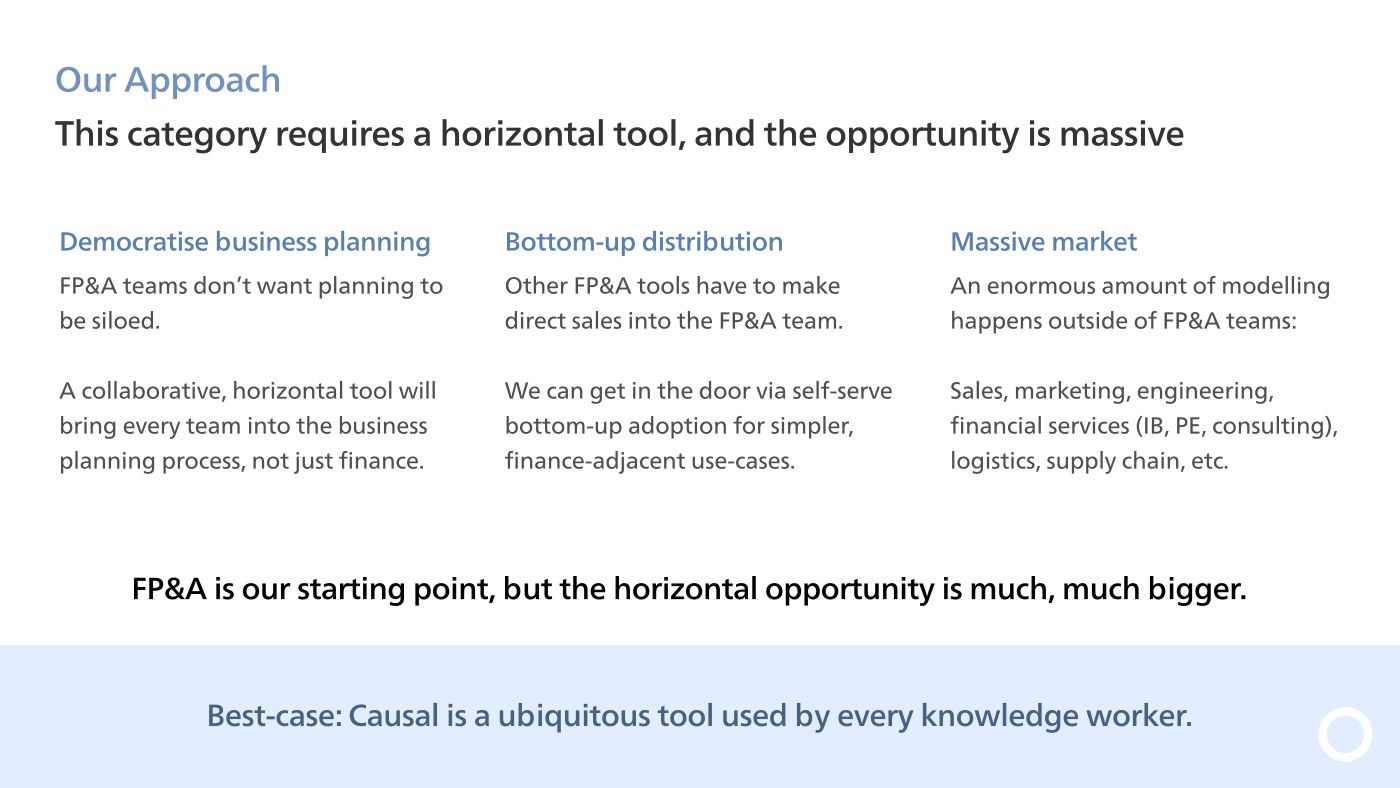
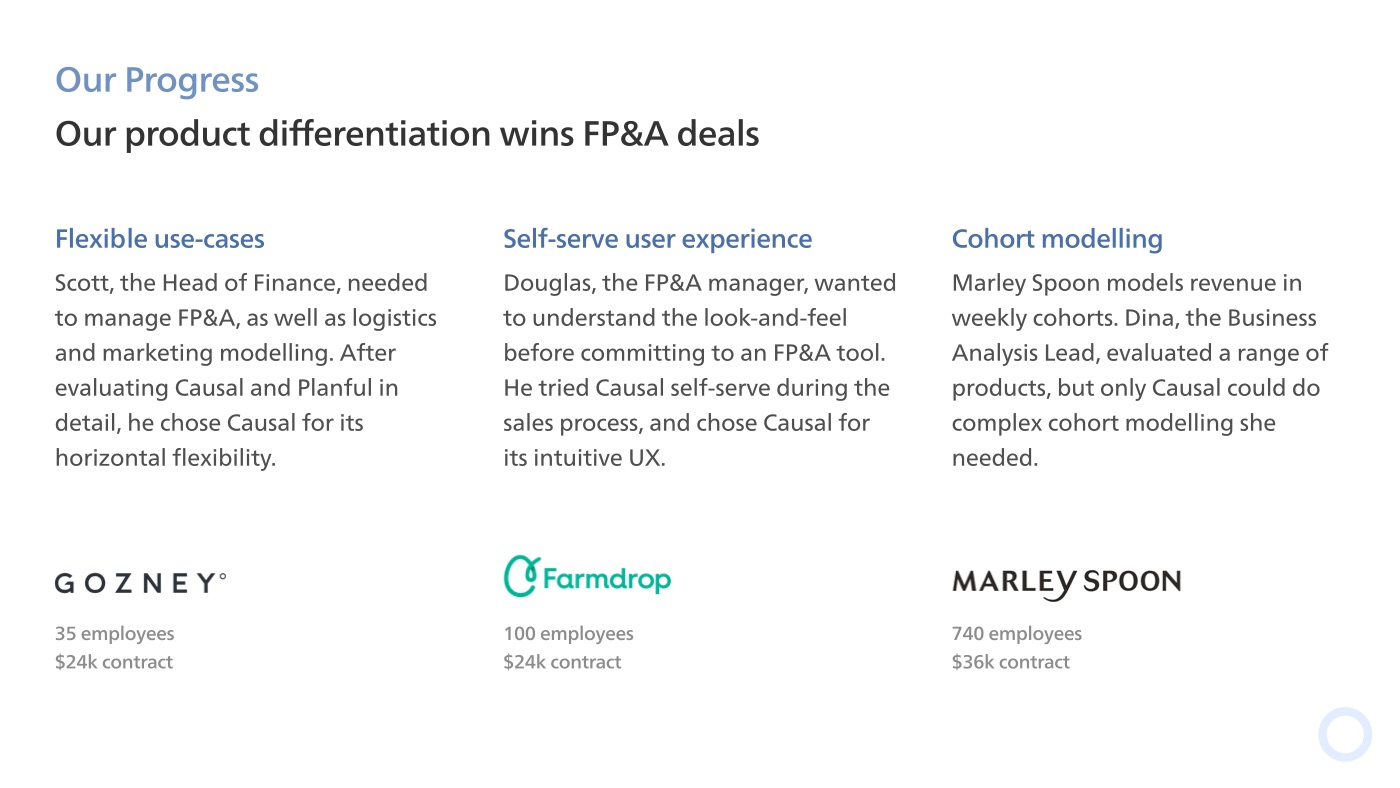
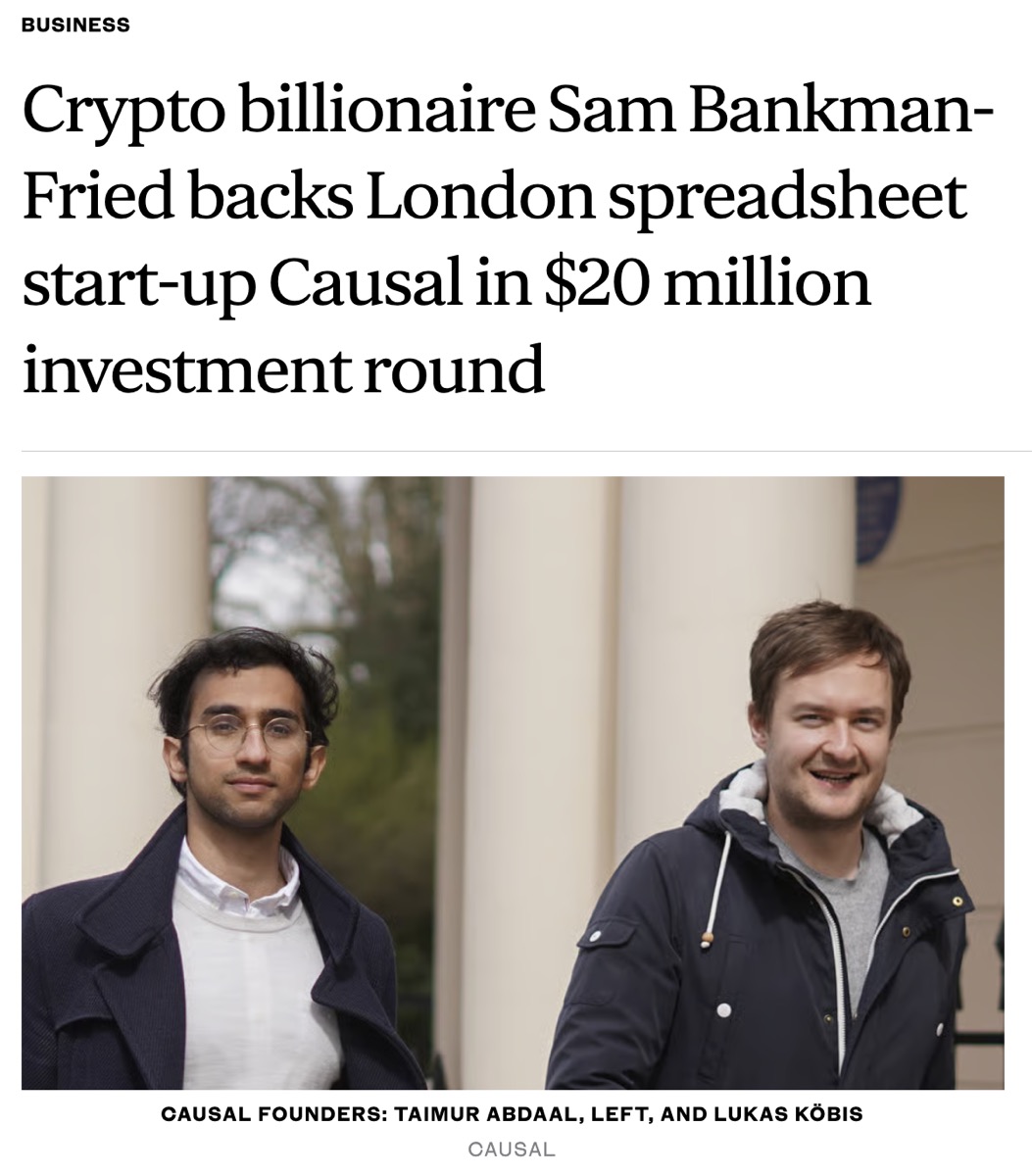
We continued to receive consistent VC inbound after the seed round. By September 2021 we were getting a lot of interest and our traction was looking good so we had some conversations and ended up raising $20m at a $100m post-money valuation, co-led by Coatue and Accel.
We didn't run much of a process: ~50 funds reached out to us between the seed and the Series A but we only met with 12 for the round, almost all of whom we had an existing relationship with. We had IC-level meetings with 4 of them, and stopped the conversations after getting a term sheet from Coatue. If we hadn’t gotten to a term sheet, we would likely have widened the net and run a full process.
We had decided beforehand against over-optimising the raise: if we could get to $20m @ $100m from a fund that we liked, we would gladly take it and crack on. This simplified things — there is always the urge to try for bigger numbers or sexier names, which, beyond a point, must surely be counter-productive.
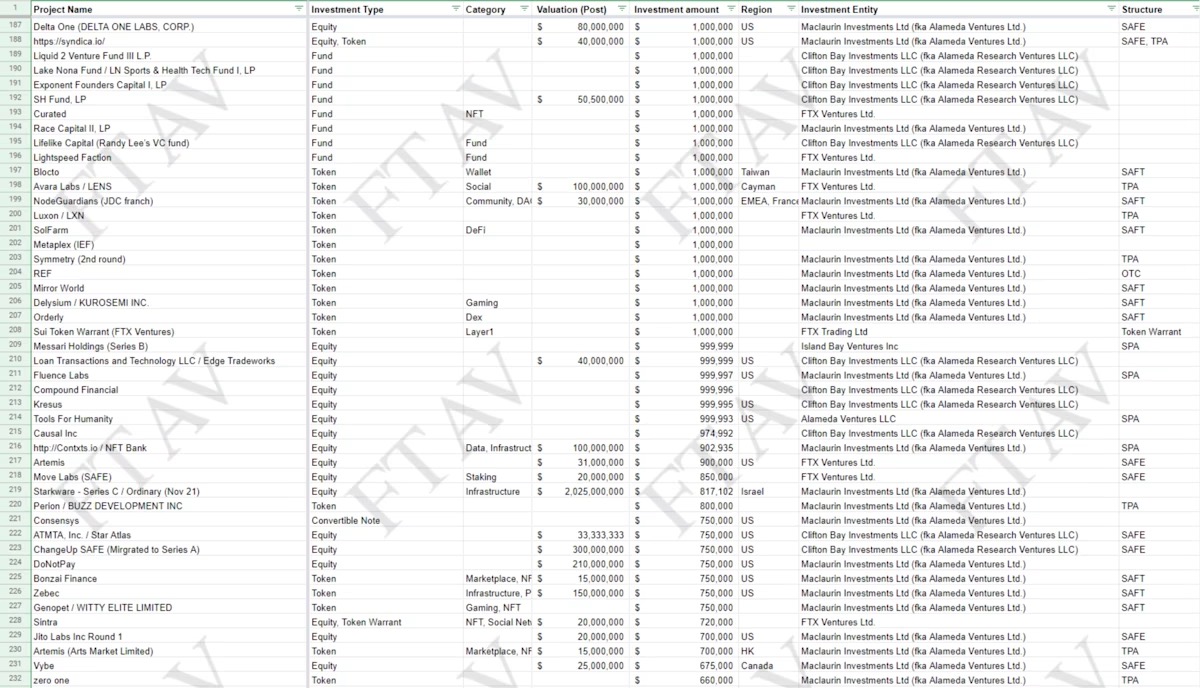
We did a first close of $17m with the leads and raised $3m more from existing and new investors over the following months. Notable among these was Alameda Research, FTX’s sister company through which they were making their venture investments. We really wanted to get them as a customer as well, but they didn’t seem to care about financial planning.
2021 was a very frothy market for fundraising — many Series As were being raised without any revenue at all, and at the same time as our Series A another company in our space with less revenue was raising a Series B. In this market, I think our scrappy and “sensible” approach — keeping the team lean, getting real traction — appealed to many investors.
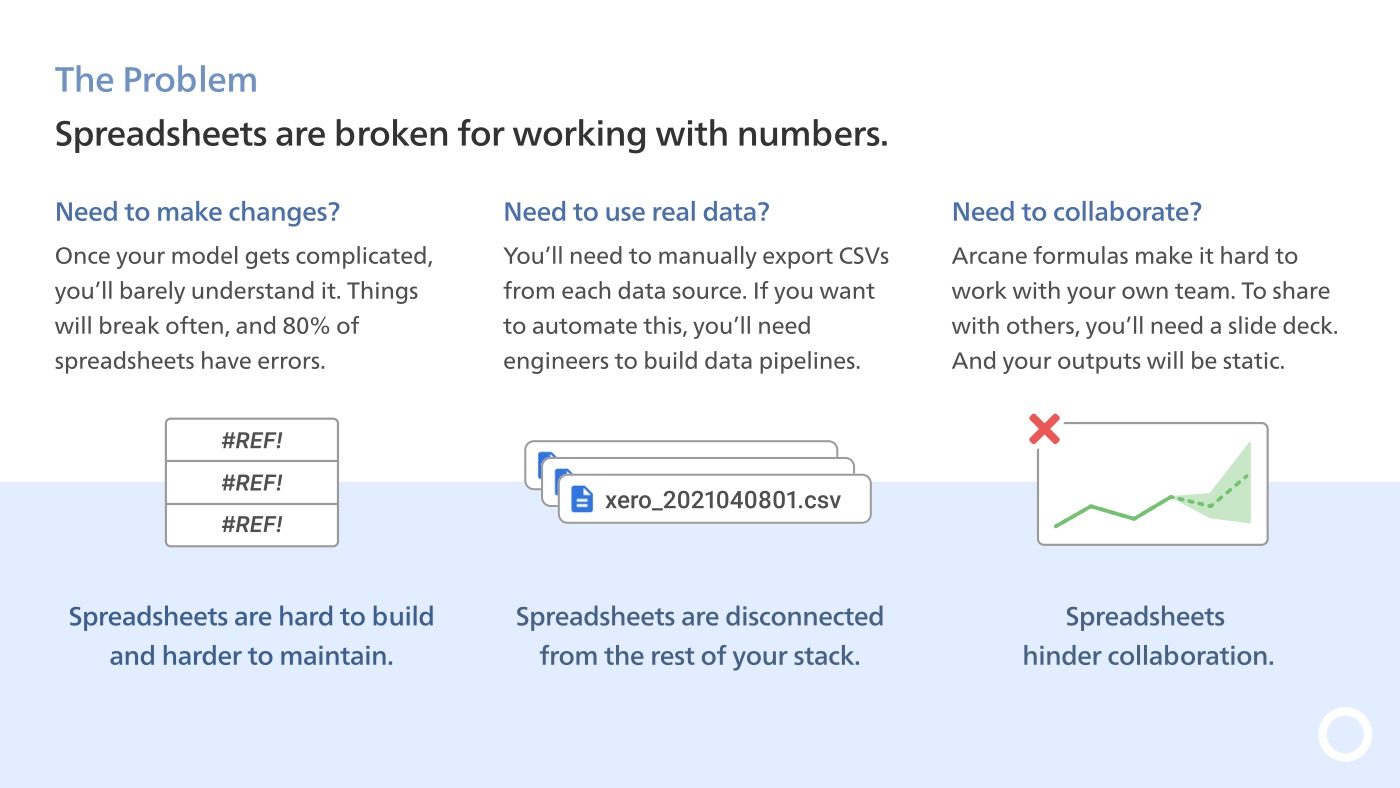
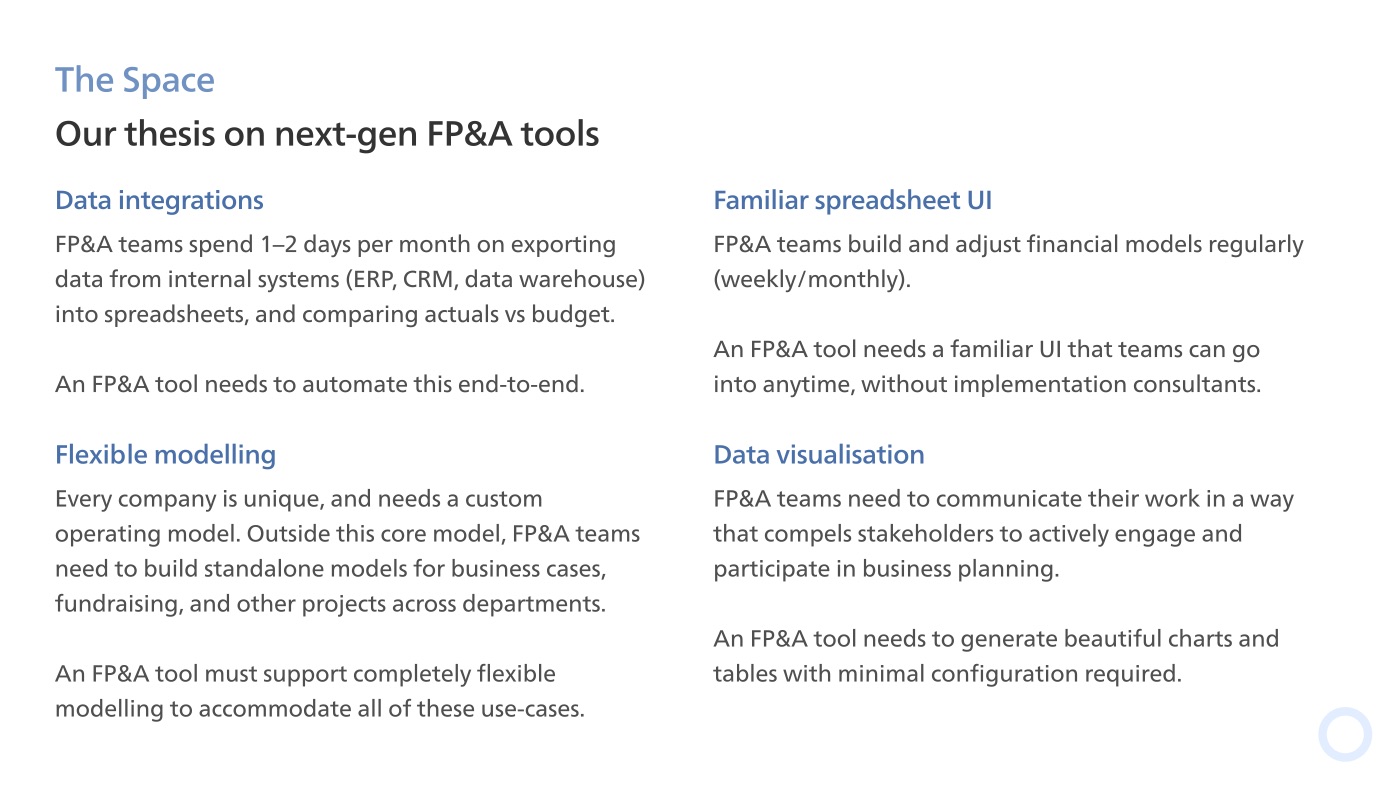
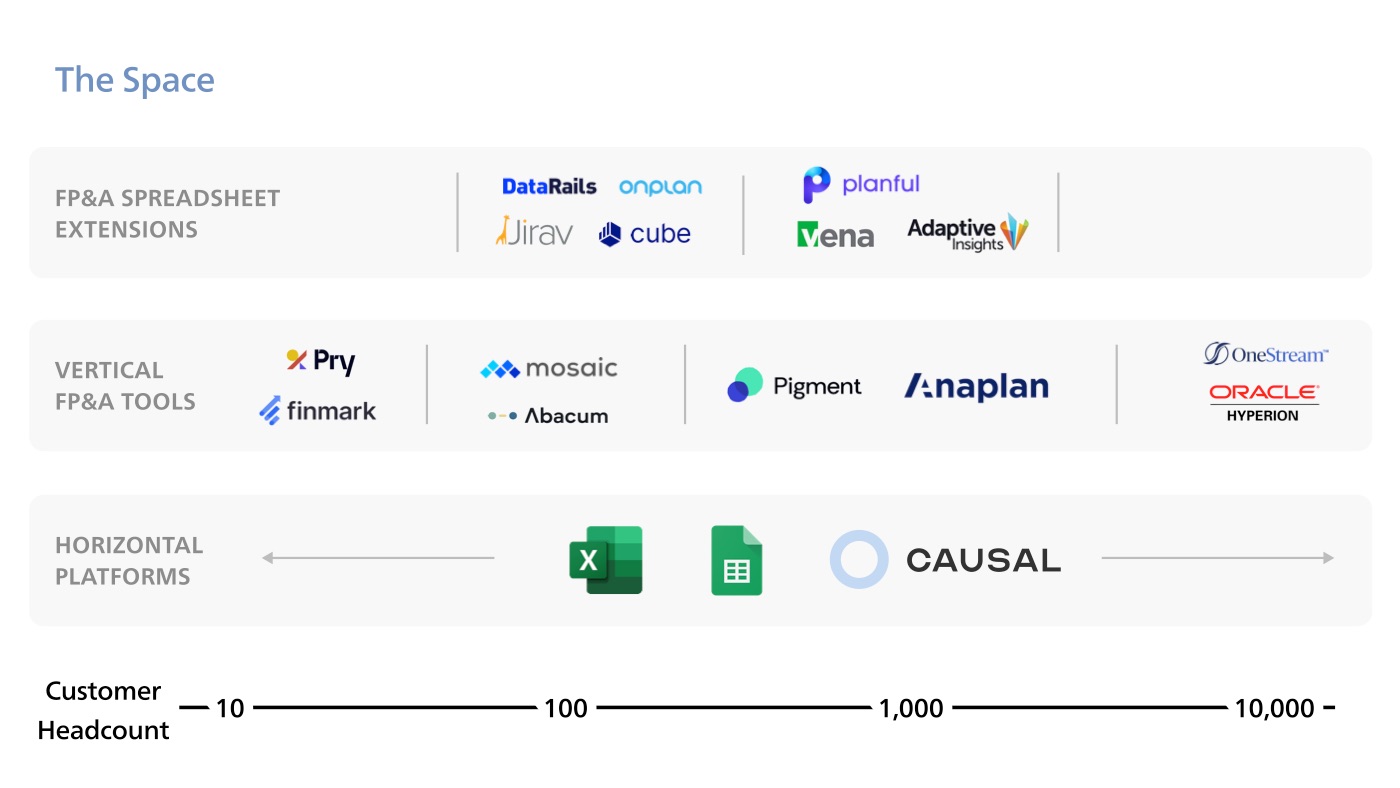
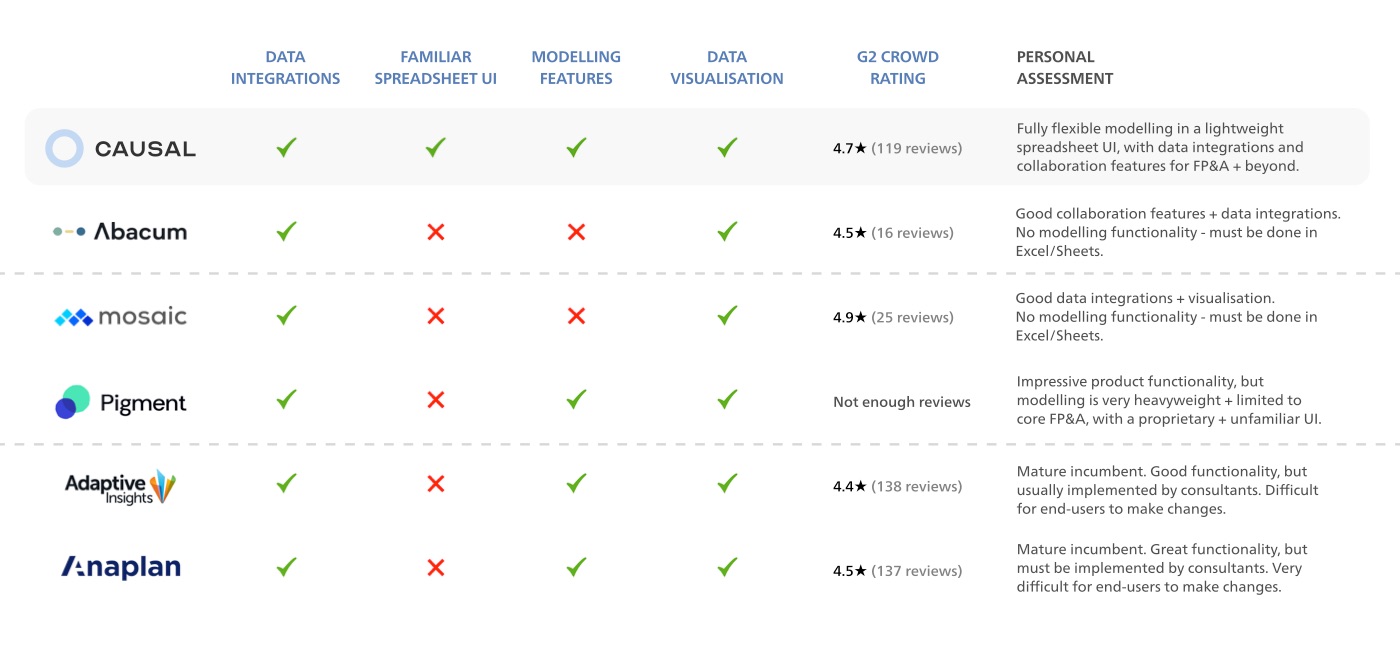
We sold some of our own shares (“secondaries”) as part of the Series A. Taimur was initially reluctant, expecting that we’d be able to sell those same shares at a higher price at Series B within 12 months. Lukas was more cautious, having heard on the All-In podcast that we may be at the top of the market. He was proved right and we were glad we took the opportunity when we did.
Our lawyers messed up the Series A docs and at the final legal stages we discovered that investors buying the secondary shares would need to receive common rather than preferred shares.3 We reached out to a few investors and explained the situation, and were very grateful to Passion Capital and Alameda Research for accepting the common shares to get the legals over the line.
Each of our fundraises happened relatively quickly with good outcomes and it’s easy to look backwards and connect the dots for why they went well, but it never felt like it was going well in the moment. Fundraising is an emotional rollercoaster in which you have nothing all the way until the finish line, and the difference between great success and great failure is a single fund, or perhaps even a single partner at a single fund, deciding to take a bet on you.
$1m ARR
At the Series A we were a team of 10: 4x engineers, 1x business operations, 1x sales, 1x support, 1x customer success.
We started 2021 on the verge of pivoting, and ended the year at $800k ARR with a team of 11 and $25m in the bank. It was a real whirlwind and we felt unstoppable.
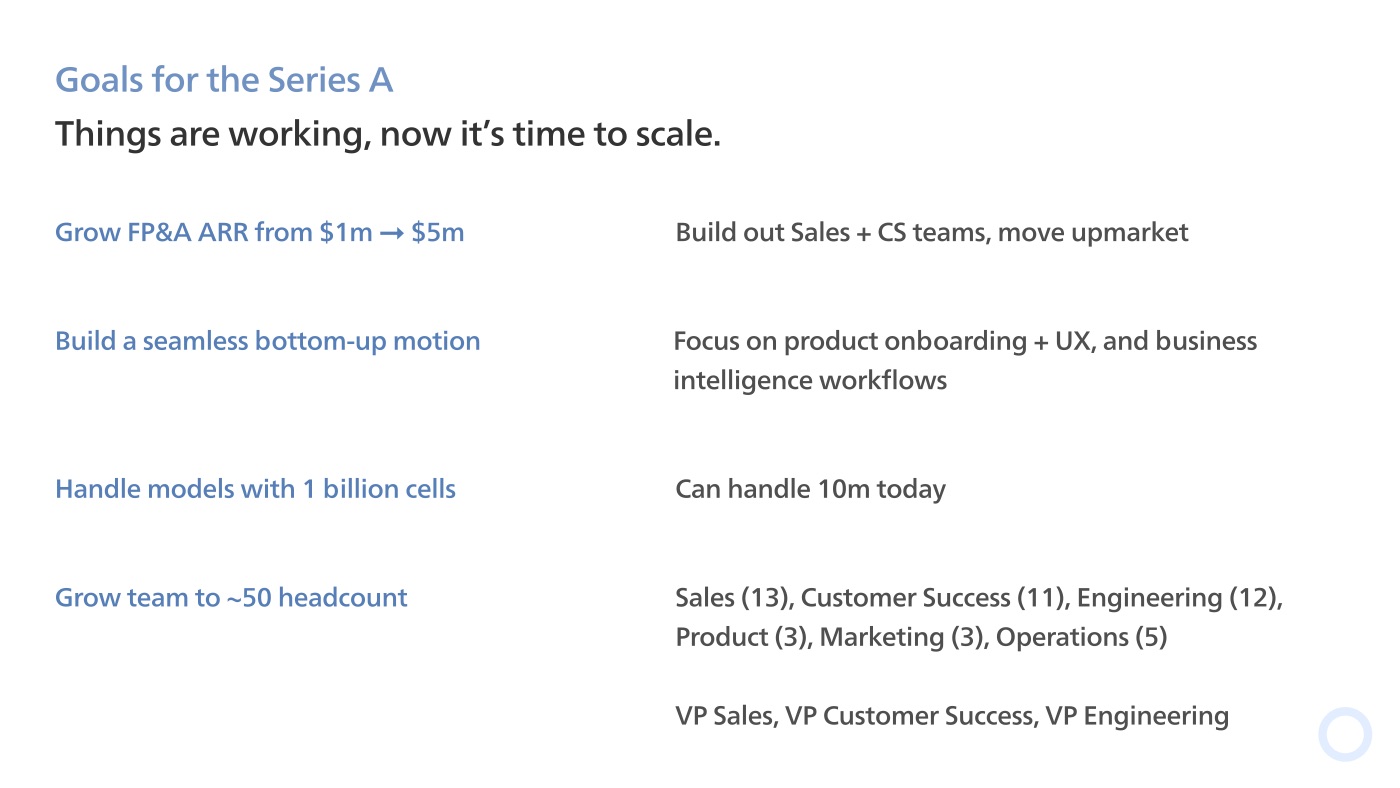
We were a hot company and wanted to continue on our ambitious trajectory. Good SaaS companies tripled from $1m → $3m but great SaaS companies would 5x,4 so $5m would be our goal for 2022, proudly announced at all-hands and to our investors. As far as we knew, setting a goal and hustling seemed to manifest it into being, but we’d soon learn that this doesn’t work forever.
With strong encouragement from our VCs, we switched gears into scaling mode. We expected to grow from 11 to 50 people in 2022, engaged an executive search firm to look for a VP Sales, started hiring for People Ops to support the growing headcount, and so on. On engineering, Lukas alone did 300 hours of interviews that year.
Scaling mode applied to engineering too. Lukas got a CTO coach, who helped him realise that he shouldn’t be directly managing our engineers. We hired an engineering manager to run hiring, 1:1s, planning and process, which freed Lukas up to spend time on technical problems and working closer with customers. We brought in an engineering consultant to speed up our calculation engine by 300x and wrote a blog post about it that had a big impact on our engineering hiring — candidates were still emailing us about it four years later.
Taimur also got a CEO coach, and looking back, paying for experienced outside help was some of the best money we spent. Coaches and part-time experts helped us make better decisions faster.
On the business side, meanwhile, growth had started to slow. We hit $1m ARR on 31 March 2022 with 65 customers — still good by most standards, but well behind our targets. We now had 9 months to 5x the business to $5m.
Stalling at $1m
Exponential growth?
While we quoted our growth in percentage terms (“30% MoM”), the underlying dynamics were not compounding or exponential. The key drivers of our growth were the big top-of-funnel boost from our Seed announcement and our successive price increases — charging 25% more to each new monthly cohort meant we needed fewer leads to sustain the 30% rate.
This became apparent as we approached $1m ARR: growth was flat, with our new ARR in Q1 2022 almost identical to Q4 2021.
In an ideal world we would have thought about growth 2–3 quarters ahead: with B2B sales cycles it takes a few months for any growth initiative to pay off. Could we have foreseen this and taken the right measures early on? I’m not sure:
2021 felt like a flat-out sprint to close, onboard, and support customers, all while scrambling to build the product functionality to keep it all going. We were really living one month at a time, and with how early we were in the go-to-market journey and how suddenly things had started working, it’s difficult to imagine having the foresight to think about the medium-term growth trajectory and successfully act on it.
From talking to successful B2B SaaS founders of that era, the reality is that few had a clear sense of where the growth was actually coming from in the early days, let alone were doing anything deliberate that moved the needle. Up to $3–5m ARR and often far beyond, most companies were just heads down in the trenches delivering a great product to a big market that really wanted it, and this led to hard-to-attribute inbound from brand awareness/word-of-mouth that lasted a surprising amount of time before the company actually “figured out” growth.
The reliability crisis
To hit our sales targets we agreed to build data integrations for almost every new customer, costing precious engineering resources.
At the same time, customers were trying to build bigger and bigger models and hitting the limits of our system — in January 2022 one customer’s model used up 52GB of memory and took Causal down for everyone.
In one week in April we had 18 serious issues and three outages. By then about half of engineering time was being taken up by bug fixes and for two quarters we had to slow down product development to focus on performance and reliability.
This was the backdrop for what was about to happen.
Churn
In Q2 2022 our 2021 customers started coming up for renewal, and this would be a far bigger problem than our slowing growth: half of the 2021 customer cohort would end up churning.
In 2022 we were adding new revenue at a consistent pace of $200k–250k per quarter, but beginning in Q2, started churning $100k–150k per quarter. When stated in hindsight it’s obvious that this was the biggest problem in the business, but experiencing it one month at a time, we didn’t reach this conclusion until halfway through the year.
Why was churn so high? Failure is usually overdetermined and in our case we had product issues, implementation issues, and just weren’t solving a big enough problem for many of our early customers.
On product: we were very thoughtful about the core abstractions and UI but our “minimum viable” versions of many features turned out not to be viable. Users loved the core modelling system, which was genuinely innovative and technically impressive, but we underestimated how much their workflows relied on the less exciting features.
On implementation: we initially did all the work to build customer models and dashboards in Causal, but this meant they didn’t fully understand how the product worked for themselves. “Co-building” was an improvement, but like Excel, Causal seemed to naturally “click” for some people but not for others. And even when we had a proficient Causal champion at a company, they rarely had a backup — if they left, no one could take over from them.
On delivering value: with founder-led sales we could get people excited to be early believers in Causal, but if it was ultimately a nice-to-have, then this excitement would wear off before contract renewal. It was also an aspirational product, making its users look and feel smart and sophisticated, which further influenced “irrational” buying decisions. And this was all in 2021 when there was a lot of money floating around for new SaaS tools, which dramatically changed in the 2022 crash.
Underlying these issues were two problems in our approach:
First, we were so fixated on revenue that we didn’t think about whether it was tracking real customer value. We were determined not to be the cliché technical founders that over-indexed on product and didn’t go hard enough on sales, and we knew from other founders that there would always be product issues even when things were going well. We figured that growth could buy time to fix the product, but feared that slow growth could kill us. We were both too paranoid and not paranoid enough.
Second, we didn’t have enough empathy for our users. We were tech guys who’d stumbled into FP&A, and while we had become true experts on financial modelling, we only had a superficial understanding of our users’ other jobs-to-be-done. Finance teams weren’t our tribe, we didn’t speak the same language, and we didn’t do enough to truly step into their world. This was a perennial challenge across our journey, and if I had to narrow our failure down to one reason, this would be it.
ICP and market size
Until mid-2022 we hadn’t terminated anyone except under exceptional circumstances. This changed after a trip to San Francisco where we caught up with other founder friends. Our big takeaway was that we needed to be more hardcore.
We realised that we’d been complacent with employee performance, and one day in June 2022, we let go of 3 employees. We were worried about the impact on morale, and while it came as a surprise, people took it as a good sign that this was a serious company that held itself to high standards.
Taimur got married in July 2022, and when he returned from his honeymoon we changed course to address the churn problem: we narrowed our ICP down to only people who we were confident would be successful with the product, while we worked on improving it for everyone else. To focus on this, we slowed down on hiring and other initiatives, including pausing the VP Sales search that we’d spent 50+ hours on so far.
Who did we think our ICP was before, and who was our ICP now?
We were originally targeting finance teams at companies with 50–500 employees. Many of them would be feeling the pain of financial planning in Excel, and very few of them were already using FP&A software.
The biggest predictor of success with Causal, though, was whether the user was “savvy”. This correlated with a background in engineering or maths, and being the kind of person that was used to trying software and figuring things out. If they weren’t this kind of person, then they often struggled. Internally, we’d note down whether or not a customer was savvy, and many of our internal churn discussions cited “customer not savvy” as the issue.
Our new ICP, for the time being, became: finance teams at 50 to 500-person companies, who cared about modelling and were “savvy”. This wasn’t a filtering option in LinkedIn Sales Navigator and was like looking for a needle in a haystack. This was not ideal, especially for our go-to-market team — now 2 AEs, 1 SDR, 1 SE, 1 PMM — who had quotas to hit.
We concluded that usability and learning curve were the biggest product issues holding the less savvy customers back, while major reliability and performance issues were affecting even our successful customers.
Premature scaling
Shortly after we paused our search, an employee referred a new VP Sales candidate and we liked him. We were still 6–9 months from being ready to scale, but given how hard the search had been, we figured it wouldn’t make sense to turn away a good candidate — we hired him to lead Sales and Customer Success.
He joined in Q4 2022, and in Q1 2023 the go-to-market team grew by 4 people. Again, we knew we were hiring ahead of where the business was, but given a 3-month ramp time, this felt sensible to hit the ground running when the time came.
By April 2023 we had 10 people in sales/marketing and a team of 31, but sales were lower than in 2021 when we had 1 salesperson and a team of 10.
- New ARR
- Expansion ARR
- Churned ARR
- Net new ARR
| Quarter | New | Expansion | Churned | Net |
|---|---|---|---|---|
| Q1 ’21 | 24 | 0 | 12 | 12 |
| Q2 ’21 | 68 | 3 | 13 | 58 |
| Q3 ’21 | 111 | 0 | 5 | 106 |
| Q4 ’21 | 129 | 0 | 21 | 108 |
| Q1 ’22 | 121 | 0 | 6 | 115 |
| Q2 ’22 | 112 | 13 | 70 | 55 |
| Q3 ’22 | 97 | 0 | 63 | 34 |
| Q4 ’22 | 26 | 7 | 43 | -10 |
| Q1 ’23 | 61 | 0 | 101 | -40 |
| Q2 ’23 | 46 | 4 | 65 | -15 |
| Q3 ’23 | 64 | 0 | 82 | -18 |
| Q4 ’23 | 22 | 23 | 111 | -66 |
Things weren’t working, and the biggest reason was lack of demand — we just didn’t have enough leads coming in. This wasn’t for lack of trying —
We were doing all the things you’re supposed to do for B2B SaaS marketing and demand gen: outbound, webinars, newsletter sponsorships, influencer partnerships, conference sponsorships, social media, paid ads experiments, co-marketing with other companies. We even hired a “growth engineer” and tried more creative tactics. Plenty of people seemed to know about Causal, but this wasn’t translating into leads.
In Q2 2023, self-serve was bringing in more revenue than our sales team and we knew something had to be done.
Layoffs
In May 2023 we laid off half of the go-to-market team, leaving 5: 1 VP, 2 AEs, 1 SE, 1 Growth.
July 2023 investor updateWe don’t yet have PMF (high churn), but there is strong market demand for a product-led FP&A tool, and the customers who are successful with Causal are extremely happy and engaged
To remove distractions and find PMF as quickly as possible, we downsized our team from 31 → 24 in May… and are narrowing our market focus to SMB (1–50 headcount) and Lower Mid-Market (50–200 headcount) companies… we’re keeping sales and marketing to a minimum and focusing on the product issues leading to low conversion and high churn
We’re the only product that can be used self-serve and scale up to mid-market FP&A. Other self-serve products don’t scale, and other mid-market products aren’t self-serve.
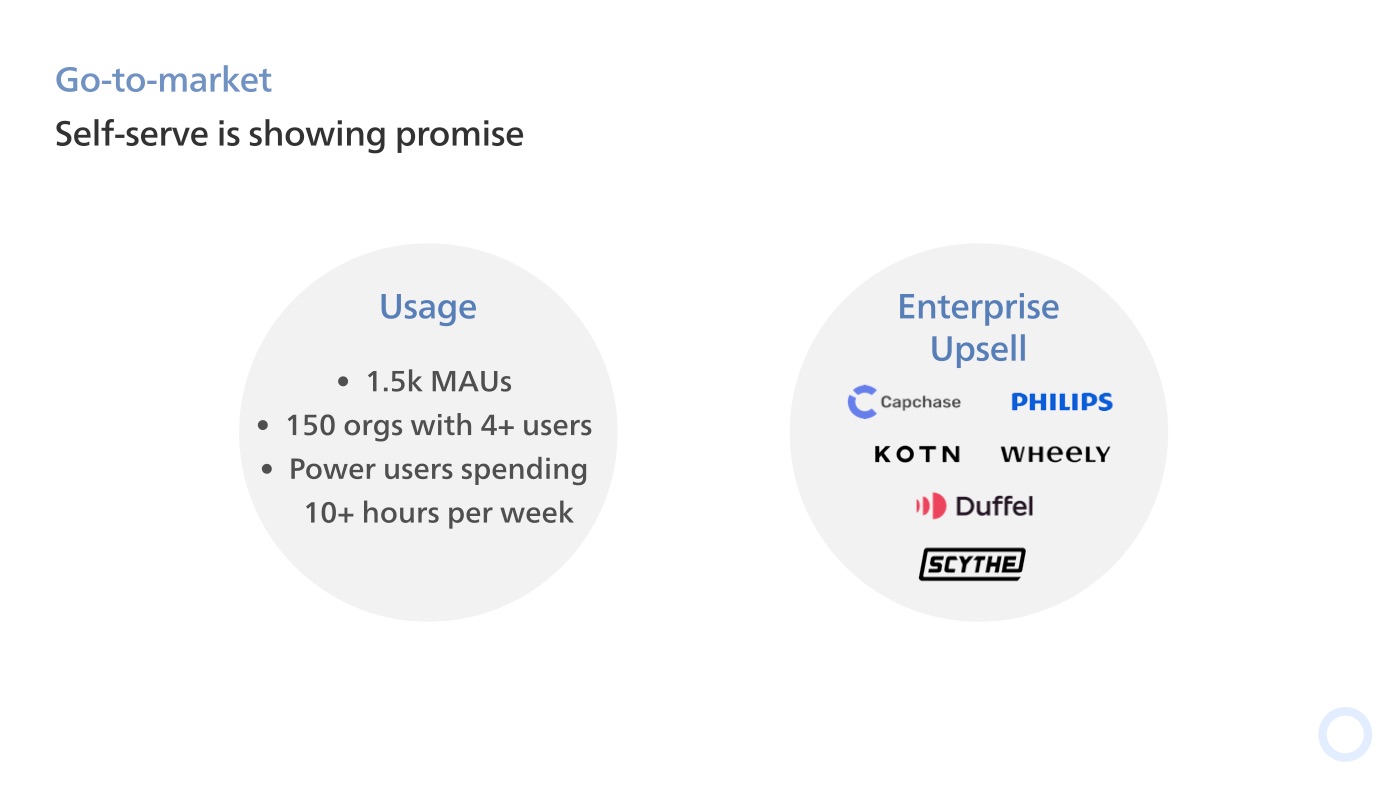
Although leaky, we have a promising self-serve funnel that’s growing 5–10% MoM organically with very low churn
We don’t have a true product-led motion right now. Instead, we have 2 separate motions (self-serve and sales-led), essentially operating as different businesses within Causal. This has spread our team very thin, and created a sub-optimal experience for users.
4 months later we would lay off the rest of Sales, leaving just 1 person in Growth.
December 2023 investor updateSales was not working for the last 12 months, so in September we laid off 6 people in Sales, Marketing, and Operations and decided to focus on self-serve/SMB. This reduced our burn by ~$1.5m/year. We are now a team of 20, mostly product/engineering.
Mid-market sales — the macro has made bigger teams much more stringent on budget, and there’s lots of competition in this segment. We’ve decided to focus on SMB until we have clear PMF and a scalable GTM motion before moving upmarket again.
Self-serve/SMB is going well: we’ve organically grown ~15% MoM for the last 3 months despite not focusing on growth right now. Self-serve now makes up ~50% of our total ARR.
This was a common blunder: we should have cut deep the first time, rather than take the team through 2 sets of layoffs. One of our investors actually flagged this when we were planning the first layoff, but we didn’t listen.
Self-serve vs Sales
Until Q4 2023, we always had both a self-serve and a sales-led motion. In line with the general wisdom at the time, our VCs cautioned us against this since it would split our focus. We thought we knew better — we were going to do PLG like Notion and Airtable, and besides, the self-serve channel would force us to build a delightful, intuitive product and not turn into a clunky enterprise tool. (We didn’t know at the time that Notion and Airtable started building their sales teams past $10m ARR once things were already significantly working.)
We always believed that the bulk of our revenue would come from mid-market sales, so our product roadmap was generally focused on those bigger customers. In theory, then, self-serve wasn’t slowing down our sales efforts, and to the contrary, it helped increase our brand awareness since more people could try the product. In practice, things weren’t so simple.
The biggest point of tension was the pricing listed on our website. The “Startup” plan was $250/month while our “Growth” plan started at $2,000/month — how could we justify the 10x higher price? Even with enterprise features and white-glove onboarding, it was a difficult case for a salesperson to make and many prospects wanted to try their hand at Causal self-serve before paying us $24k. We would never see them again.
Hiring lessons
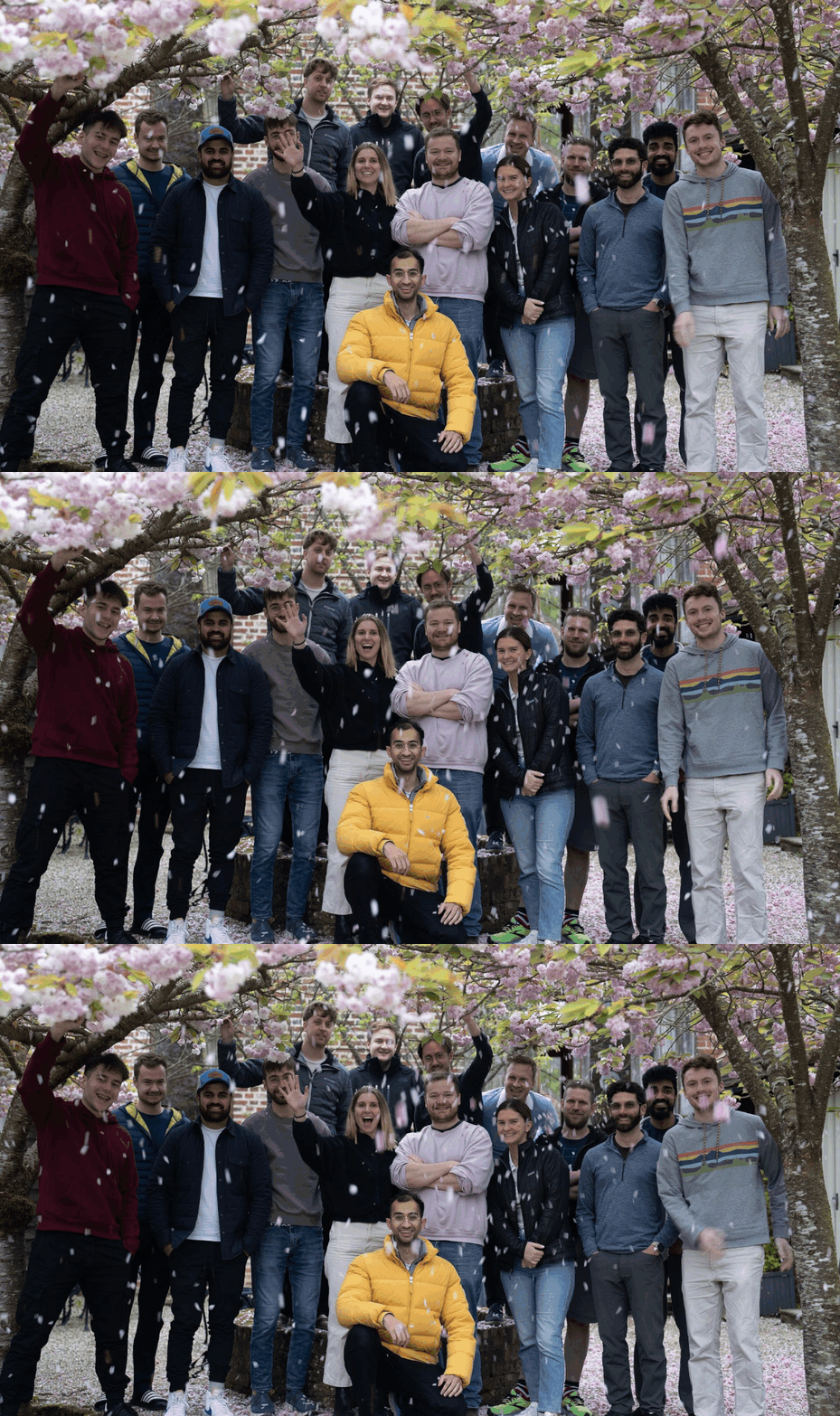
By the end of 2023 we had hired 45 people, 28 of which were in 2022.
We did some things well:
- Work trials. For our first 10 employees, we ran work trials ranging from 2 days to 1 month as part of the hiring process. Working together for extended periods of time on real tasks gave a lot more signal both on aptitude and on culture fit.
- Company voice. We were very deliberate about Causal’s brand and how it came through on everything from the landing page down to individual job descriptions. Top candidates really noticed this, and it came up often in hiring discussions.
- Hiring from Palantir. For a while we were reluctant to hire from big tech companies, but after hiring our first designer from Palantir, we realised it was a goldmine and hired 4 more ex-Palantir employees. They were all incredibly competent, mature, and hard-working.
We also made some mistakes:
- Hiring people we didn’t like that much. Once we entered “scaling mode”, we felt pressure to fill roles. We stopped trusting our gut and hired people who had good CVs but who we didn’t personally vibe with, and this never went well. This improved over time.
- Being too conflict avoidant. We should have erred on the side of blunt, timely feedback, even if it sometimes hurt feelings, rather than holding back or delaying it in order to be sensitive. It’s a false dichotomy, of course, but in the absence of management experience, blunt would have been better. We got better at this over time.
- Hiring in random countries. We had employees in 8+ countries including Armenia, Russia, Romania, and Argentina. Each country created operational overhead, made it more difficult to get the team together in person, and added headache in M&A due diligence.
- Not focusing more on being in-office. We started as a “remote-first” company and kept that going without much thought, but should have prioritised and perhaps enforced more in-office time.
- Sloppy contractor paperwork. Missing IP assignments from agencies and contractors came back to bite us in due diligence: we were still re-papering contractors the week before signing, and IP was the most heavily negotiated part of the merger agreement. Get a clean IP assignment from everyone who touches the code, on day one.
If we did it again, we would:
- Hire the highest-quality people we can, even if expensive. We never regretted paying someone good more.
- Hire people who care about their work, the customers and the quality of what they ship.
- Meet people in person before we hire them.
- If they’re remote, spend the first week or two together in person. It’s much cheaper than discovering a mismatch three months in over Zoom.
- Always be networking. We’d ideally already know great people to fill roles before we need them, rather than starting each search from scratch.
How we found people
Founder outbound was our best source of candidates. We made a list of target companies we respected that had similar kinds of products (e.g. productivity tools, data tools, complex UIs), used LinkedIn to create a list of target employees from each company, and then reached out to them from our personal LinkedIn accounts. This worked surprisingly well, and if we had a shared connection who could make a warm intro, it worked even better.
It helped to have something to talk about when reaching out, and our engineering blog posts were great conversation starters and made our outreach much less generic.
We had some success with external recruiters, but they rarely pitched Causal as well as we could and were extremely expensive.
Getting to $1m again
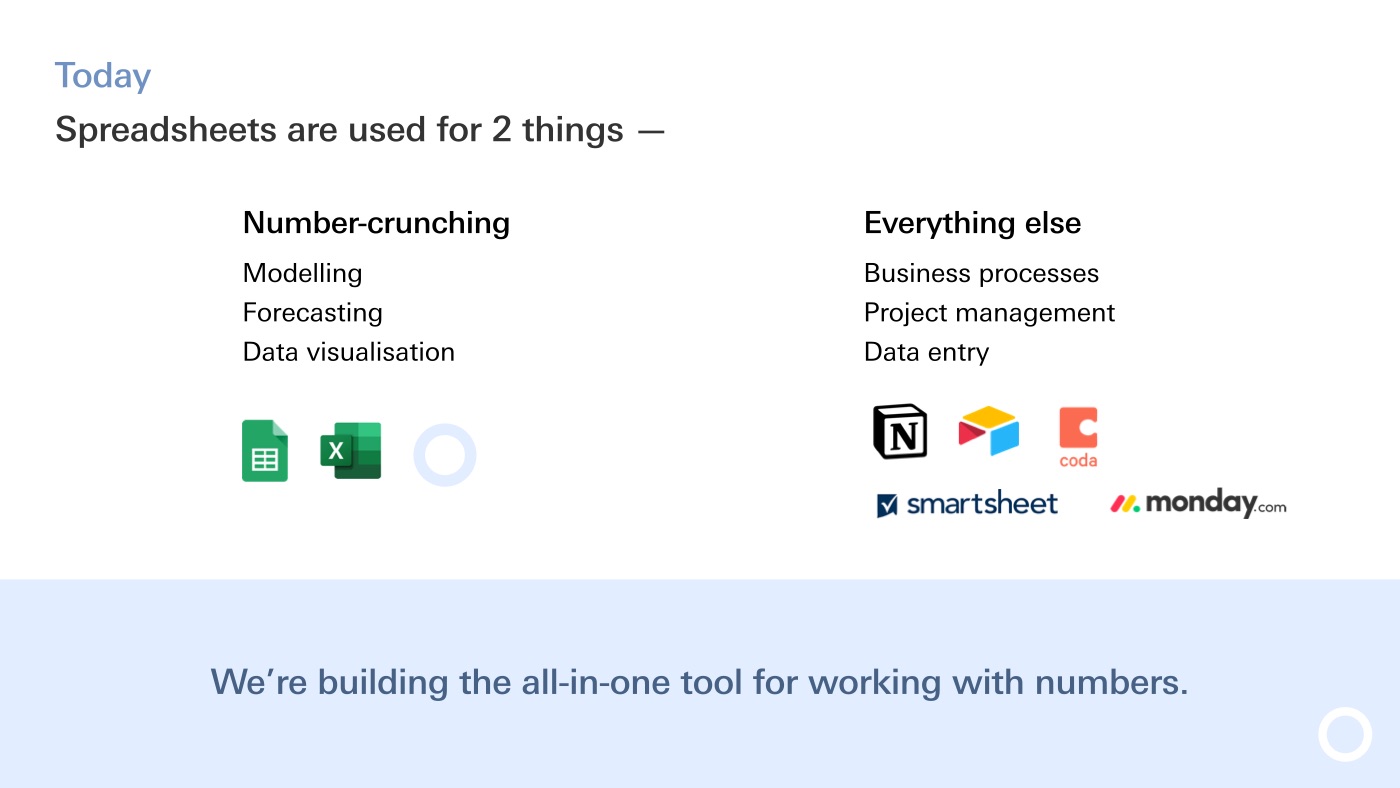
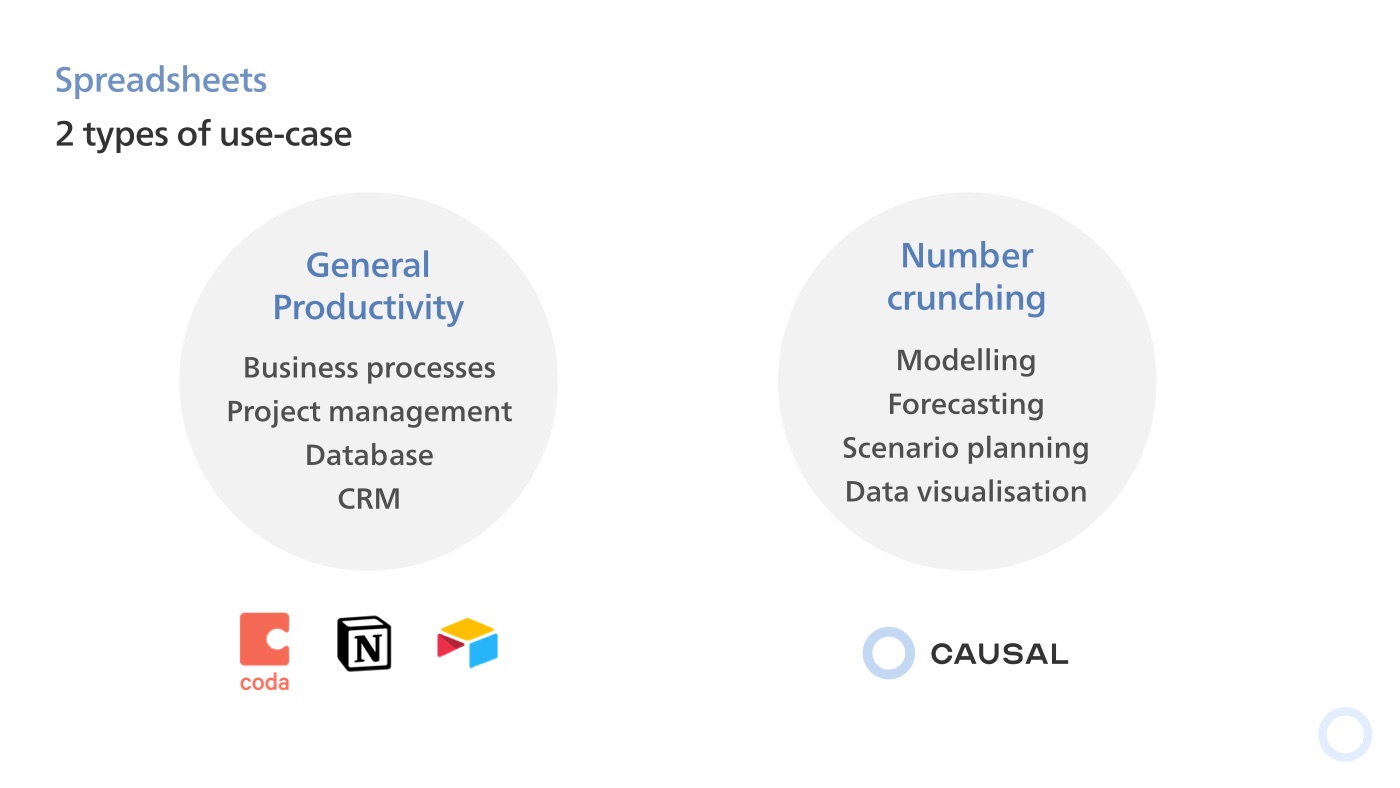
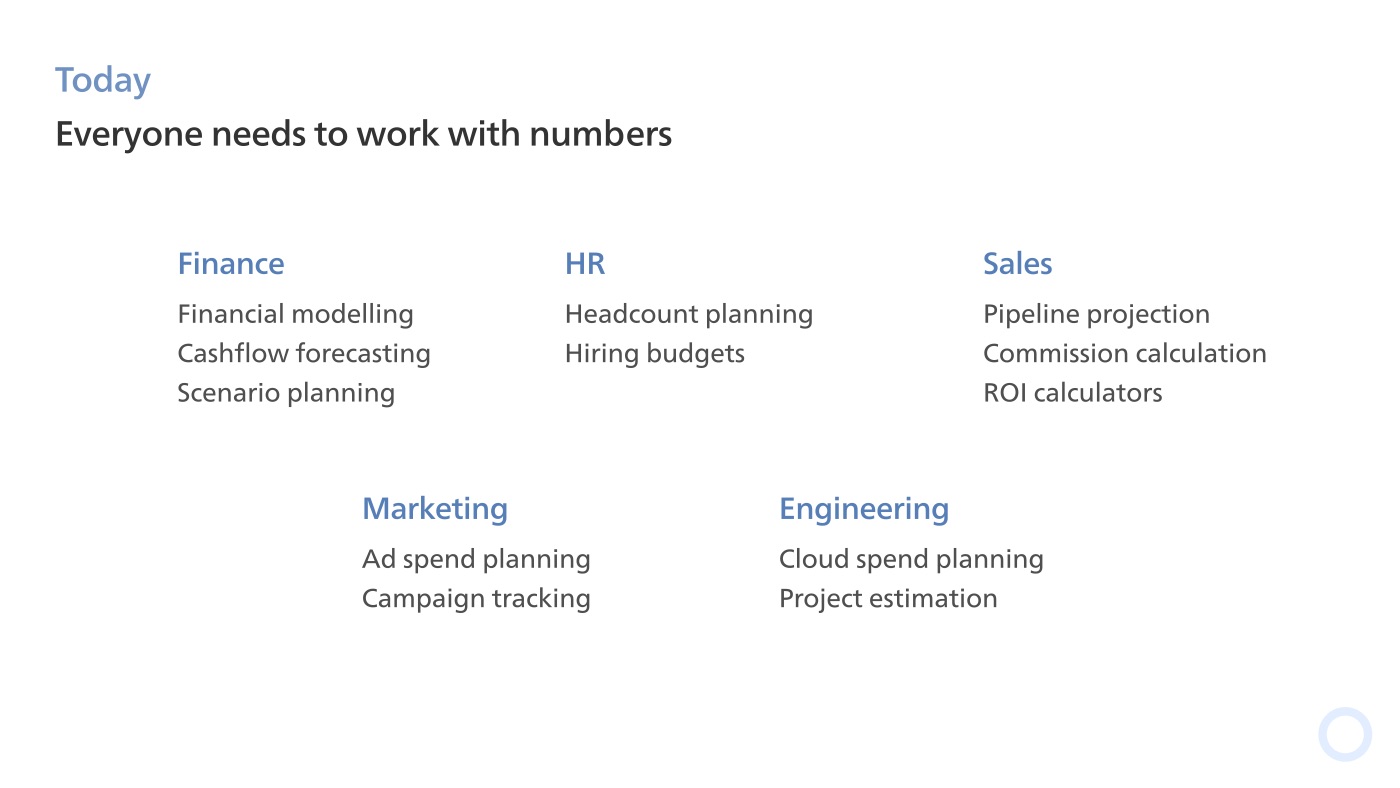
Self-serve was at $750k ARR at the end of 2023. We were also seeing an interesting usage pattern: our best power-users weren’t just using Causal for financial planning, but also as a general BI tool. Before we started focusing on FP&A, our vision was to be the “all-in-one tool for working with numbers”, encompassing both the future (planning) and the past (reporting/BI), but we hadn’t yet done much on the latter.
These initial signs of traction for BI were promising — even if an SMB didn’t yet care about FP&A, they would definitely need to report on key metrics, so this could provide a fast time-to-value entry point, from which they could easily start planning when they needed.
Partnerships
We noticed that an increasing number of “fractional CFOs” (FCFOs) had started using Causal with their clients. At the same time, startups were increasingly coming to us and asking for referrals to Causal-pilled FCFOs.
This was a win-win-win: FCFOs got clients, startups got finance support, and Causal got new customers managed by expert users. It could also compound: once one client was on board, it would be a no-brainer for the FCFO to start onboarding their other clients. They would be a gift that keeps on giving. We’d heard all the famous stories about clever growth hacks that changed company trajectories — Dropbox’s referral programme, Zapier’s programmatic SEO, Calendly’s booking links — and this really felt like it could be ours.
We formalised this into a matchmaking service and built a network of FCFO partners to whom we were referring as many as 10 new clients each week, and at its peak, FCFO customers accounted for 1/4 of our new revenue each month. But it was far from the silver bullet we hoped for:
The FCFO program and relationships were managed by our Growth lead, and had grown to take up all his time. Getting a new FCFO onboarded and proficient at Causal took time, and getting larger FCFO firms on board took even longer. We found that they were only able to prioritise Causal training when there was a new client ready and waiting to use the product. And they’d first have to convince each new client that Causal was worth the extra $250-500/month, and often needed our help in pitching it. Instead of this being a self-serve motion, our Growth lead was essentially doing SMB sales, both to get a new FCFO on board, and then often to get subsequent clients on board too. The economics were fine — we could have hired an SMB salesperson to focus on this — but this was a far cry from the growth machine that we thought it would be.
Time-to-value
A constant issue for us was time-to-value: the product had a learning curve, and the customer got value only after they invested time in building their own custom model. We had been constantly iterating on the onboarding flow and core product UI to reduce the learning curve. We had templates for common models (SaaS revenue, headcount planning, P&L, etc) which served as good inspiration for what Causal could do, but found that being thrown into a fully built-out model was generally overwhelming and that the only way to really learn the product was by building from scratch.
We treated our documentation as its own product, moving away from off-the-shelf tools and building a custom docs site where we could optimise the whole experience. We created professionally produced video courses to get anyone proficient within an hour, and end-to-end guides for key workflows. We had a live Intercom chat available to all users, a Slack community for users to talk to help each other out, and at one point we even automatically created a shared Slack channel (unsolicited!) when a user connected their data, to give them a direct line to our team.
 The Spreadsheet — Causal 101 (Part 1 of 4)
Our big bet to go beyond incremental improvements were our “wizards”: a user could connect their data source (e.g. QuickBooks, Stripe) and get a fully built out model + dashboard from their own data in 1 click. The first wizard we went deep on was Stripe: connect your account and get ARR, MRR, churn, revenue recognition and cash, ready to build a forecast on. It shipped in March 2024, and for many startups it was the first time they saw their own numbers in Causal. Customers could get to value immediately and then be much more incentivised to spend the time to learn the product and take things further. To go with this, we launched a cheaper “Reporting” plan that let people use Causal to visualise historical data, before they needed to build forward-looking models and forecasts.
Did these things make a difference? We think so. We saw improvements to our onboarding metrics over time, and customers often told us how helpful our tutorial videos were. The wizards worked and we used the LLMs of 2024 to make them smarter, but they still weren’t quite smart enough to deliver on the promise for the majority of users. The biggest benefit of the wizards was that a lot more users ended up connecting their real data to Causal, and once they did this, they became more invested in getting things working.
Altogether, in 2024 we got to a point where our funnel was acceptable. Churn would always be a problem for SMBs on monthly subscriptions but our churn wasn’t terrible, and we had paid add-ons that gave some expansion revenue and pushed net dollar retention (NDR) to ~100%.5 The funnel was fine, and we needed to start getting a lot more users through it.

Dogfooding
We had always used Causal for our own financial planning and other modelling, but like many other SMBs, we didn’t need to do this very often. With our expansion into reporting/BI, we connected our Snowflake data warehouse to Causal and started using it daily to keep track of all the metrics in the business.
This gave us a totally new perspective on our product. We suddenly understood our customers’ experiences much better, and found many issues that we were embarrassed people had been putting up with. In particular, we had a new found empathy for all the little papercuts that customers would come up against in regular usage. Each of these were small in isolation and might only happen occasionally, so customers might not have brought them up pro-actively and we might not have seen them during screenshares with customers, but taken together, they really added up and dragged the overall experience down.
If we started another company, we’d lean towards building something we’d be power users of ourselves. There is no tighter feedback loop, and we’d be able to trust our vision and intuitions much more.
Top of funnel
We tried all sorts of growth tactics over the course of the company.
Before we got off the ground, getting to the front page of Hacker News was our main growth source with our launch, blog posts, and a standalone tool we built. Twitter also started working for us, with posts from Taimur’s personal account consistently driving growth.
Once we started focusing on FP&A and started getting momentum, Twitter continued to be a strong source of growth, followed by LinkedIn. Our first webinar had almost 1,000 registrations. We did focused content for companies facing the 2022 SaaS downturn and SVB collapse. We did joint webinars with Ramp and Merge, a B2B pricing webinar with Sam Blond, a collaboration with Packy McCormick.
After we went all-in on self-serve, we switched our growth tactics to match. We did launches on Hacker News and Product Hunt, we did shortform video on LinkedIn way before anyone else, we published public Causal dashboards based on interesting datasets.
Taimur Abdaal
Co-founder & CEO, Causal
Oct 2024 ·
Klarna is going from buy-now-pay-later provider to neobank, generating billions in revenue and approaching profitability.We dug…
 122
4 comments
Taimur Abdaal
Co-founder & CEO, Causal
Sep 2024 ·
At 12 years old, Canva is at $2.3B ARR, growing 50%, and profitable. We dug into the data behind this iconic company → go.causal.app/canva…
 77
11 comments
Taimur Abdaal
Co-founder & CEO, Causal
Jun 2024 ·
💳 14 years since starting, Stripe now processes $1T+ in payments annually. We partnered with Sacra to get you the juicy numbers behind this growth…
 114
13 comments
Taimur Abdaal
Co-founder & CEO, Causal
May 2024 ·
At 5 years old, Ramp processes 1% of US spend and is worth $7b+. We dug into the data behind their insane growth → go.causal.app/ramp…
 153
7 comments
Taimur Abdaal
Co-founder & CEO, Causal
Apr 2024 ·
In honour of the epic 4-hour Acquired $MSFT pod that just dropped, here's a look at the key stats behind the 50-year journey to $3T → https://lnkd.in/eUyufRVT…
 53
2 comments
Taimur Abdaal
Co-founder & CEO, Causal
Apr 2024 ·
We've partnered with Sacra to share their juicy proprietary dataset on private Generative AI companies → https://go.causal.app/ai…
 46
6 comments

Love this new launch from @CausalHQ → ratemyspreadsheet.com
— Steven Tey (@steventey) June 10, 2024
It's a free tool for you to upload your financial models and get a detailed audit report (formulas, formatting, etc.)
Best part? They're using @dubdotco to power their share links for the extra viral factor 😁 pic.twitter.com/CowEGA1cAh
AI SEO Heist
Alongside all of this, we also had our 15 minutes of fame with the “AI SEO heist”.
From ~2020, our friend, Mack, was spending a couple of hours a week helping us with the more technical side of marketing — setting up tracking pixels, Google Search Console, experimenting with ads, and so on. In 2021 he got beta access to the GPT-3 API, and had an idea to programmatically generate 1000s of hyper-specific SEO blog posts targeting the long tail of search terms that would otherwise be too low volume for companies to try to rank for.
It sounded cool and we didn’t give it much thought, and for ~6 months we didn’t hear about it again. But traffic from these pages grew truly exponentially and it got to a point where causal.app was receiving 1 million page views per month, 99%+ of which were to these AI-generated SEO pages. In November 2023, our friend’s business partner posted a Twitter thread about it, that went viral (now at 7.9M views). It was the big thing on Tech Twitter that day, and internet sleuths quickly figured out that Causal was the company in question.
A couple of days later, the music stopped — our traffic fell off a cliff. Thanks to the viral thread, someone at Google manually blacklisted Causal’s AI-generated content. In the weeks and months that followed, articles and social media posts cropped up analysing the saga — Sundar Pichai commented on it, we were crowned Ahrefs “Biggest Traffic Loser”, and more.
The traffic never converted into signups so there was no impact on the business, the whole thing was just an experiment that got out of hand. It was always a bit slimy and off-brand, but also… it wasn’t that deep.
We pulled off an SEO heist that stole 3.6M total traffic from a competitor.
— Jake Ward (@jakezward) November 24, 2023
We got 489,509 traffic in October alone.
Here's how we did it: pic.twitter.com/sTJ7xbRjrT
Did it work?
Which of these growth initiatives actually moved the needle for our top of funnel? It’s hard to say. Our best explanation is that the early stuff worked very well and launched us into “lower Earth orbit” — we had a critical mass of brand awareness that gave us a steady stream of signups and meant that lots of people knew about us. But beyond those initial boosts, our signups stayed consistent at ~50 per day from 2022 to 2024 despite everything we were trying.
We definitely felt the effect of the zeitgeist — from 2019 to 2021 people seemed to care a lot about SaaS tools and Causal was hot during that wave. But after the market crash in 2022, there really seemed to be a SaaS fatigue in the air, and people cared a lot less about new productivity tools. On top of this, once Elon took over Twitter there was a sudden shift in what kind of content performed well, and this killed our best growth channel.
It’s possible that we were just executing poorly across all these things and that’s why we didn’t see results. From talking to other founders of that era, though, it doesn’t seem like other companies that reached breakout trajectories did it because they had significantly better marketing execution, and some of them even saw Causal as a company to emulate when it came to marketing and brand.
Our big takeaway from these growth challenges comes back to the fact that we were just not solving a big enough problem for a big enough market.
M&A
In late 2023 we started thinking about the future of the company. We still had runway, energy, and ideas, but we also knew that we weren’t on a breakout trajectory. We wanted to know what our options would be in case things didn’t work out.
We reached out to Benn Stancil for advice, whose data/BI company had just been acquired:
 Benn Stancil@bennstancil
Aug 27, 2023 at 7:55 PM
Hey Benn, big fan of your blog :)7:55 PM
I run causal.app — multidimensional spreadsheet (a bit like a self-serve Anaplan combined with a BI tool, lol)7:57 PM
We have some traction — 150 self-serve customers and 50 mid-market ones — but facing lots of challenges and thinking about some existential questions
Would love to chat and get your advice if you have some time!
A near miss
Benn ended up introducing us to the execs at a late stage company in the BI space, and there was enough overlap for us to explore a possible acquisition. We met with senior leaders all the way up to the CEO, but ultimately didn’t get to an offer. Jake Fuentes was advising us through this process, and without his help we wouldn’t have made it nearly as far. This first experience of M&A felt a lot like our first fundraise — it was a whole new ball game with its own etiquette, norms, and rules, but unlike fundraising, there were no resources to learn about it except for a single book: The Magic Box Paradigm.
The biggest thing that came out of this M&A process was that we realised we actually wanted to sell the company. As a founder, you’re constantly “selling” — selling your product to customers, selling your company to investors and candidates, and often selling your vision to yourself and your co-founders to stay strong in tough times. Severe optimism is an important survival mechanism, and from talking to other founders, it seems commonly difficult to know how you really feel until someone dangles the carrot in front of you.
Remarkably, almost immediately after this first failed M&A process, another company reached out to us.
Lucanet
Lucanet approached us in March 2024 via an introduction from an FP&A influencer who we’d previously worked with.
We took the initial meeting and it was clear that this would be a different kind of M&A process. Whereas our first process was more exploratory, building the vision and business case together with our counterparty to see what the “1+1=3” story could be, this one was already built out: Lucanet had already decided they wanted to acquire a financial modelling product, they had already thought through the business case and strategy around it, and had spent a lot of time researching and talking to dozens of players in the space.
It was a classic platform play: Lucanet had a strong, loyal customer base for its core product, and since partnering with Hg Capital, was now transitioning from a single product to a platform, with the potential to “cross-sell” multiple products to existing customers to grow revenue and provide end-to-end solutions.
They did an impressive amount of product diligence in the first two months, with multiple people spending many hours in the product to understand its strengths and limits. We really liked this — we had put a lot of thought into the product and believed it was truly differentiated in the market, but it was hard to see this without trying it properly.
3 months after our first conversation, including in-person sessions in London and Berlin, we got to a “letter of intent” (LOI). We didn’t want to count our chickens yet — ⅓ of deals fall through after the LOI, and LOIs can mean very different things depending on who they’re from. Some companies sling out LOIs very early in M&A processes to secure exclusivity before doing much commercial due diligence (DD), whereas others give out an LOI only after commercial DD is substantially completed. Lucanet was in the latter bucket, and this gave us confidence that they were serious and that the deal had a high chance of happening.
Our lawyers expected the deal to close at the end of September. This timing worked well: Taimur was expecting his first child in mid-October. The harder deadline, though, was the new UK Budget on 30 October, in which capital gains tax was expected to increase from 20% up to 30% or even higher, materially impacting our proceeds from the acquisition.6
After over a month of redlining, we signed the LOI in early August 2024, and DD kicked off in earnest.
The business, meanwhile, was continuing as normal. We wouldn’t be able to tell our team until the deal was closed — people would naturally have lots of questions and want frequent updates, but more than that, if the deal fell through, employees would be left wondering whether we were still committed to the company’s vision.
We would need to work almost full-time on the deal while keeping the company running day-to-day, without raising eyebrows from the team. This was not easy — beyond the raw time constraints, it was emotionally difficult to stay “locked in” and do real work on the business with the knowledge that we were about to sell the company, and it felt very strange to talk to our team every day as if it was business as usual.
Legal due diligence
Lukas had always been the company’s administrator, so took the lead in managing our lawyers during due diligence. This was not a fun job, but this clip from Succession inspired him through it:
 Succession — “You are fucking me here.” (S2E6)
Right out of the gate, we encountered a big hurdle: would this deal be a German share purchase agreement, or a Delaware merger? We eventually settled on the latter, but this took a month of back-and-forth, bringing us to mid-September. Our lawyers now expected the deal to close in mid-October, after Taimur was supposed to go on paternity leave.
The governing law (German vs US) was the biggest point of contention, but the remaining DD stage had its fair share of ups and downs:
Our lawyers kept inviting us to calendar events with titles like “M&A due diligence sync”, which would be visible to any Causal employee who looked at our calendar. In early October Lucanet’s lawyers flagged that a clause in Causal’s voting agreement could trigger an antitrust issue in Brazil if we didn’t make a specific filing to the Brazilian courts, which would push the closing well into November (this was avoided after a few days of legal deliberation). And most bizarrely, 2 days before we were set to sign the documents, we were told that Lucanet would need to make a secret filing that couldn’t be mentioned in the merger agreement or emails, but that would hold up the deal until it came back from the authorities (we think this may have been related to sanctions around the SBF incident).
It was our first time managing lawyers beyond simple fundraises and came with its own learnings:
It involved a huge amount of admin — the initial data request list alone included 330 different items we needed to share. It also involved a lot of pushing — in the final few weeks, Lukas was calling our lawyers multiple times each day to follow up on items and push for faster work. The lawyers were very responsive and worked hard 7 days a week. Despite our many frustrations, this was impressive and markedly different from other vendor relationships we’d had over the years. Though given how much they were charging us, we didn’t feel too bad —
Our total legal costs were $750,000, up from the lawyers’ initial estimate of $600,000. 27 different lawyers at the firm billed 567 hours across 274 time entries, at a blended rate of ~$1,200/hour. The most expensive, a tax partner, billed 16 hours at $2,075/hour.
Legal DD gave us new sympathy for friends in banking and law. We'd always wondered why they worked late so often and so unpredictably. Why couldn't firms full of smart people plan ahead? Now we understood: every task is waiting on a decision from one of many parties, or on another task that isn't finished yet. Finishing a task tonight instead of tomorrow, or on Saturday instead of Monday, cascades over the course of a deal and can shave weeks off the closing date.
Cybersecurity Questionnaire & Expert Session Agenda Project Candy — Data Request ListClosing the deal
After signing the LOI, these were the key steps that needed to happen:
- Deal structure agreed: German vs US?
- Due diligence and regulatory checks cleared: are there any skeletons in our closet that would make Lucanet want to amend or pull out?
- Signing: each side signing the 100+ page document outlining the merger, signatures held in escrow
- Shareholder approval: Causal shareholders approving the deal
- Closing: signatures released and certificate of merger filed in Delaware
On 22 October, everything was agreed and each side put their signatures in Escrow, to be released when the secret regulatory filing came back.
On 23 October, we finally shared the news with our team in a special company all-hands.
On 28 October we received regulatory approval, and the signatures were released. The merger agreement was now signed, legally binding both sides to making it happen. This still required a few steps, and the lawyers had told us they’d do their best to have it done on 30 October.
On 29 October Taimur had a fateful conversation with his sister-in-law, a tax specialist. She told us that UK Budget changes often come into effect from midnight of the day of the budget announcements, i.e. tonight. We needed to close the deal that day.
We set up an all-hands call with lawyers from both sides:
Our message to the lawyers, 29 October 2024Hi all, we just received some bad news from our tax advisors — the expected UK capital gains tax increases will likely go into effect from midnight tonight , so we will need to close the deal today to avoid being hit by this.
Can we get on a call in 10 mins (5:30pm UK / 6:30pm Germany / 1:30pm) ET and figure out what needs to happen in order to close today please? The Delaware courts close in 3 hours.
The conversation went something like this:
We were surprised both at our luck that we might be able to meet the deadline, but also that it took us convening an all-hands call with 15 people for this information to come out, despite us impressing upon the lawyers repeatedly the importance of getting it over the line before 30 October.
But all’s well that ends well: the deal closed on 29 October, 3.5 months on from the signed LOI.
Post-merger integration
In November 2024 we got everyone together in London for a kick-off with the Lucanet team. The company had learned lessons from previous acquisitions, and did a great job of making the transition as smooth as possible for our team.
A few things that stood out: we kept most of our internal software and processes for the first year (Slack, Notion, Linear, etc) so didn’t have to immediately learn a whole new way of working, our team was given real autonomy and a “seat at the table”, and we had weekly catchups with the CTO, CRO, and VP M&A for many months afterwards to make sure things were going smoothly and that we were catching any teething issues early.
5 months in, the product was integrated into Lucanet’s platform as “xP&A” (Extended Planning & Analysis) and we started onboarding new customers.
Conclusion
Causal was an amazing chapter of our lives. 2019–2024 was a totally different startup era than 2024 onwards, and so much of the journey now seems very quaint. Still, we like to think there were many transferable learnings.
We’re thankful to everyone who made it possible, and alongside our team, investors, customers, and early users, we owe a lot to the meritocracy of Hacker News as the great equaliser. In November 2024 we did a “thank you HN” post and Q&A:
Hi HN, I’m the co-founder/CEO of Causal. We just announced our acquisition: https://www.causal.app/blog/causal-joins-the-lucanet-group
Just wanted to say a big thank you to the HN community —
Everything started with this post from over 5 years ago [1] which gave me and Lukas (CTO) enough conviction to quit our jobs to work on Causal full-time.
A few months later we launched an Excel sensitivity tool [2]. In 2022 we shared how we scaled our calculation engine to billions of cells [3] and a few months ago we had a successful Show HN of Causal 2.0 [4]
The product is now used by 100s of startups (many YC companies) and we’re excited for this next phase of growth within Lucanet :)
[1] https://news.ycombinator.com/item?id=19704418
[2] https://news.ycombinator.com/item?id=21625974
Causal wasn’t a huge outcome by VC standards, but was a big win for us personally and we feel good that our team and early investors all made money too.
This kind of acquisition wasn’t on our radar in the early days — we expected the startup game to be much more binary (massive outcome or bust), and this was the standard narrative at the time. We’re fortunate to have landed in a middle ground that more founders should be aware of earlier on.
We did what you’re not supposed to do, by having an idea for a cool product first and then trying to build a business around it. Although it worked out, we now understand why this isn’t advisable. If we start another VC-backed company, we hope to be solving a much bigger problem for a much bigger and more fertile market, and to make sure we really understand our customers. We now have some intuition for what these things actually mean.
We loved working with our team, and it’s been fun to follow what they’ve done since: two of them started Weave (YC W25, now Series A), others are in senior roles at interesting companies, and we hope we get to work with many of them again.
We’re currently exploring ideas for what to do next, and are always interested in meeting people working on cool things and helping wherever we can, especially in the 0 → 1 phase.
Thanks for making it this far, and we’d love to hear your thoughts!
— Taimur & Lukas
Notes
We used Stripe Atlas to incorporate as a US Delaware C-Corp, to make it easier to fundraise from US investors. It did help, but also added a lot of operational overhead in having multiple entities, multiple accountants, etc. ↩
We raised on a YC SAFE. The cap is the highest valuation at which the SAFE will convert into shares at the next “priced round”. ↩
Investors almost always get preferred shares, which get paid back first if the company is sold (the “liquidation preference”), so taking common was a real favour to us. ↩
The “T2D3” rule of thumb: from $1–2m ARR, you should triple, triple, double, double, double to $100m ARR. ↩
For comparison, HubSpot had 89% NDR at IPO in 2014 and only broke past 100% in 2016. ↩
In the end, the Budget raised the higher rate of capital gains tax from 20% to 24%, effective from that same day. ↩